Yes, you can make low ceilings feel dramatically higher using curtains. Mount your curtain rods close to the ceiling and let the fabric fall all the way to the floor. This simple trick creates a strong vertical illusion that visually stretches the entire room upward.
Low ceilings affect nearly 30% of older American homes, making rooms feel tight and cramped. Studies in interior design show that vertical window treatments can make a ceiling appear up to 20% taller. The right curtain strategy costs far less than renovation but delivers stunning visual results.
Why Curtains Are the Smartest Fix for Low Ceilings
Curtains are flexible, affordable, and easy to change anytime. Unlike structural changes, they require no permits or contractors. They also let you personalize your space without long-term commitment.
Most low-ceiling rooms suffer because window treatments visually cut the wall in half. Hanging curtains high and long eliminates that visual break. This draws the eye upward and creates a sense of open vertical space.
Interior designers consistently recommend this approach before any other fix. It works in bedrooms, living rooms, and dining rooms alike. The effect is immediate and noticeable from the moment you step inside.

Mount the Curtain Rod as High as Possible
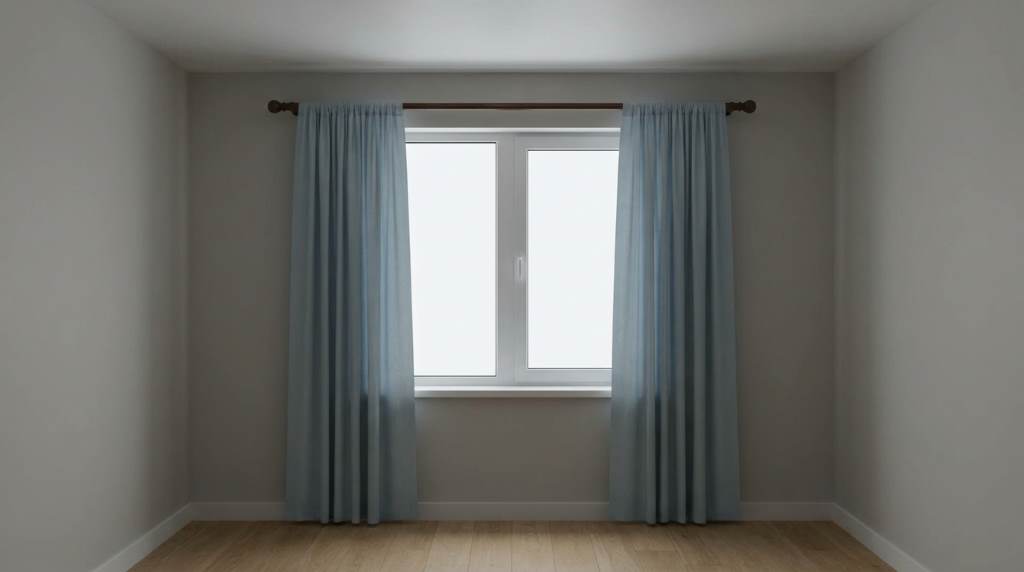
The rod placement is the single most important decision you will make. Mount it within 2 to 4 inches from the ceiling for maximum height effect. Some designers even mount the rod directly on the ceiling for a dramatic look.
Avoid placing the rod just above the window frame. That common mistake anchors the eye at a low point. It shrinks the visual height of the entire wall instead of expanding it.
When you decorate a small space, vertical placement tricks consistently outperform horizontal ones. High-mounted rods make a low room feel completely transformed. This one change delivers more visual impact than almost any other curtain choice.
Best Rod Styles for Low Ceiling Rooms
Choose a slim, minimal rod that does not draw attention to itself. Decorative finials should be small and close to the wall. Bulky hardware pulls focus away from the vertical line you want to create.
Ceiling-mounted tracks are also an excellent modern option. They sit flush against the ceiling and create a seamless drop. This style works especially well in contemporary and minimalist interiors.
Let Curtains Pool or Kiss the Floor
Floor-length curtains are non-negotiable for this effect to work. The fabric should graze the floor or pool slightly for an elegant look. Short curtains or sill-length panels do the opposite and make ceilings feel even lower.
Measure from the rod to the floor precisely before ordering panels. Add an inch or two for a gentle break at the bottom. Curtains that stop mid-wall visually chop the room into awkward sections.
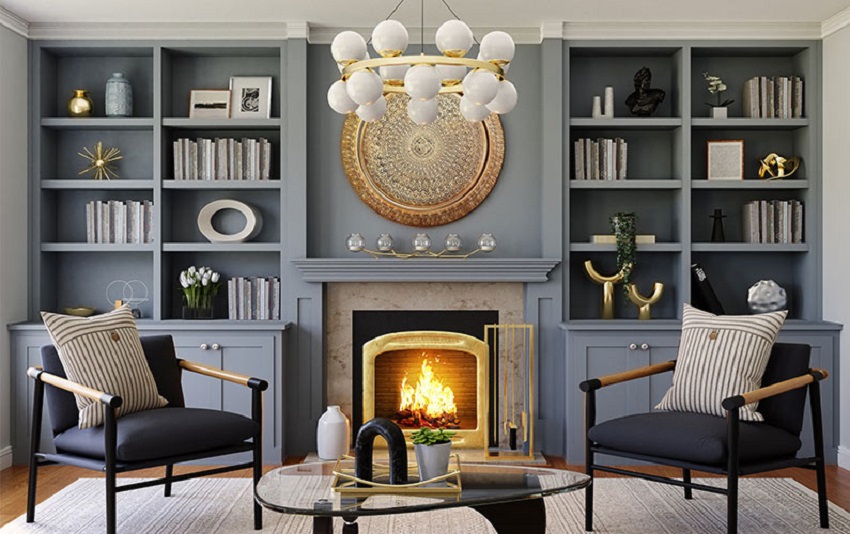
This idea pairs beautifully with other vertical decor strategies. For instance, when you decorate a fireplace mantel with tall vertical art or mirrors, the effect compounds. Every vertical element in a room reinforces the illusion of height.
Fabric Length Tips by Room Type
Bedrooms look best with curtains that gently puddle about 1 inch on the floor. Living rooms benefit from a clean floor-grazing hem for a polished finish. Dining rooms look sophisticated with panels that touch the floor precisely.
In high-traffic areas, keep the hem just touching the floor. This avoids tripping hazards and makes cleaning easier. A clean break at the floor still reads as elegant and intentional.
Choose the Right Curtain Colors and Patterns
Color plays a massive role in how your eye reads the room. Light, neutral curtain colors visually expand a low-ceiling space. Matching the curtains closely to your wall color is an especially powerful trick.
When curtains blend into the wall, the boundary between them disappears. The eye travels straight upward without any interruption. This creates a smooth, continuous flow that makes ceilings feel significantly taller.
Proper home insulation also affects how rooms feel, and many homeowners overlook this detail. Just as you should understand attic insulation maintenance risks for comfort, you should think about how every room element affects perception. Color, light, and texture all work together to shape how you feel inside a space.
Best Colors for Low Ceiling Rooms
Consider these proven color choices for low-ceiling curtains:
- Soft white: Reflects light and opens up the space naturally
- Warm ivory: Adds warmth while keeping the room airy and open
- Light gray: Works beautifully in modern and neutral interiors
- Pale blush or sage: Adds a soft color pop without visual heaviness
- Wall-matched tone: Creates a seamless look that eliminates visual breaks
Patterns That Add Height Without Adding Bulk
Vertical stripe patterns are your best friend in a low-ceiling room. They direct the eye straight upward and add energy to the space. Keep the stripes thin and subtle for the most elegant result.
Avoid large horizontal prints at all costs. They visually widen the room while crushing the perceived ceiling height. Small, tone-on-tone patterns are a safe and stylish middle ground.
Select Curtain Fabrics That Create Vertical Flow
Fabric choice affects how curtains hang and how the room feels. Lightweight fabrics like linen, sheer voile, and cotton create soft, flowing vertical lines. These materials fall naturally and let light move through the room freely.
Heavy fabrics like velvet and thick brocade create stiff, bulky panels. They add visual weight at the window and compress the room. Reserve heavy fabrics for rooms with generously high ceilings.
Sheer curtains deserve special attention in this context. They layer beautifully over blackout liners and soften light throughout the day. The combination gives you function and an airy, lifted visual effect simultaneously.
Fabric Recommendations at a Glance
Here are the top fabric choices for low-ceiling rooms:
- Sheer linen: Light, breathable, and naturally elegant
- Cotton voile: Affordable and creates soft vertical drape
- Polyester sheer: Budget-friendly and wrinkle-resistant
- Silk blend: Luxurious lightweight option for formal rooms
- Belgian linen: Timeless texture with natural flow
Use Curtain Heading Styles That Maximize Height
The heading style determines how the curtain top attaches to the rod. Pinch pleat and eyelet headings create clean, structured vertical pleats. These styles pull the fabric downward in straight, elegant lines.
Tab-top and rod-pocket styles create horizontal gathering at the top. This visual bunching draws the eye sideways instead of upward. Switch to pinch pleat panels and the difference is immediately apparent.
Ripple fold headings are another excellent modern option. They create uniform, equally spaced folds from top to floor. The result is a sleek, contemporary look with a strong vertical emphasis.
Extend the Curtain Width Beyond the Window Frame
Extend your rod 8 to 12 inches beyond each side of the window frame. This lets the curtains stack off the glass when open. More natural light enters the room, making it feel brighter and more expansive.
A brighter room always feels taller and more open than a dim one. Light naturally draws the eye upward toward the ceiling. This simple extension trick amplifies every other height illusion you create with curtains.
Wider panels also make your windows appear physically larger than they are. Larger-looking windows signal more space to your brain. The combined effect of height, width, and light creates a powerful perception shift.
Combine Curtains With Other Height-Enhancing Decor
Curtains work best as part of a coordinated decorating strategy. Pair them with tall, narrow furniture like floor lamps and bookshelves. These vertical accents echo the upward direction your curtains establish.
Hang mirrors above eye level and direct them slightly upward. Mirrors reflect ceiling space and make the room appear to continue beyond its actual boundaries. Together with high-hung curtains, mirrors double the perceived height of your room.
Keep the rest of your decor minimal and low-profile. Low-slung furniture creates visual breathing room between the floor and ceiling. The more uncluttered the room, the more your curtain strategy shines through.
Common Mistakes to Avoid With Low Ceiling Curtains
Many homeowners unknowingly cancel out the height illusion with small errors. Here are the key mistakes to avoid:
- Hanging rods too low: Even 6 inches too low ruins the vertical illusion
- Choosing short panels: Sill-length curtains visually drop the ceiling
- Using dark, heavy colors: They absorb light and make ceilings feel closer
- Selecting bulky hardware: Large rods and rings distract from vertical flow
- Ignoring window width: Narrow panels leave walls bare and break the illusion
- Mixing too many patterns: Visual clutter compresses the perceived ceiling height
Avoiding these mistakes is just as important as getting the right panels. Every element either supports or undermines your design goal. Review your plan against this list before purchasing anything.
Conclusion
Making low ceilings feel higher with curtains is one of the most impactful and affordable upgrades you can make. Mount your rod near the ceiling, hang floor-length panels, and choose light colors that blend with your walls. These three moves alone will transform even the most cramped-feeling room into a visually open, airy space.
Start with your most-used room and apply these strategies today. The results will surprise you without a single nail going into your ceiling structure. Share this guide with a friend who is struggling with a low-ceiling space.
Frequently Asked Questions
How high should I hang curtains in a room with low ceilings?
Mount your curtain rod 2 to 4 inches below the ceiling or as close to it as possible for the strongest height illusion.
Do curtain colors really affect how high a ceiling looks?
Yes, light and wall-matching curtain colors remove visual breaks and help the eye travel upward without interruption.
Should I use sheer or blackout curtains for low ceilings?
Sheer curtains work best because they allow light to flow freely, making the room feel brighter and more open.
Can patterned curtains make a low ceiling look higher?
Yes, but only vertical stripe patterns help; avoid large horizontal prints as they visually lower the ceiling further.
What curtain length is best for a low ceiling room?
Always choose floor-length panels that graze or gently puddle on the floor for the most effective height illusion.