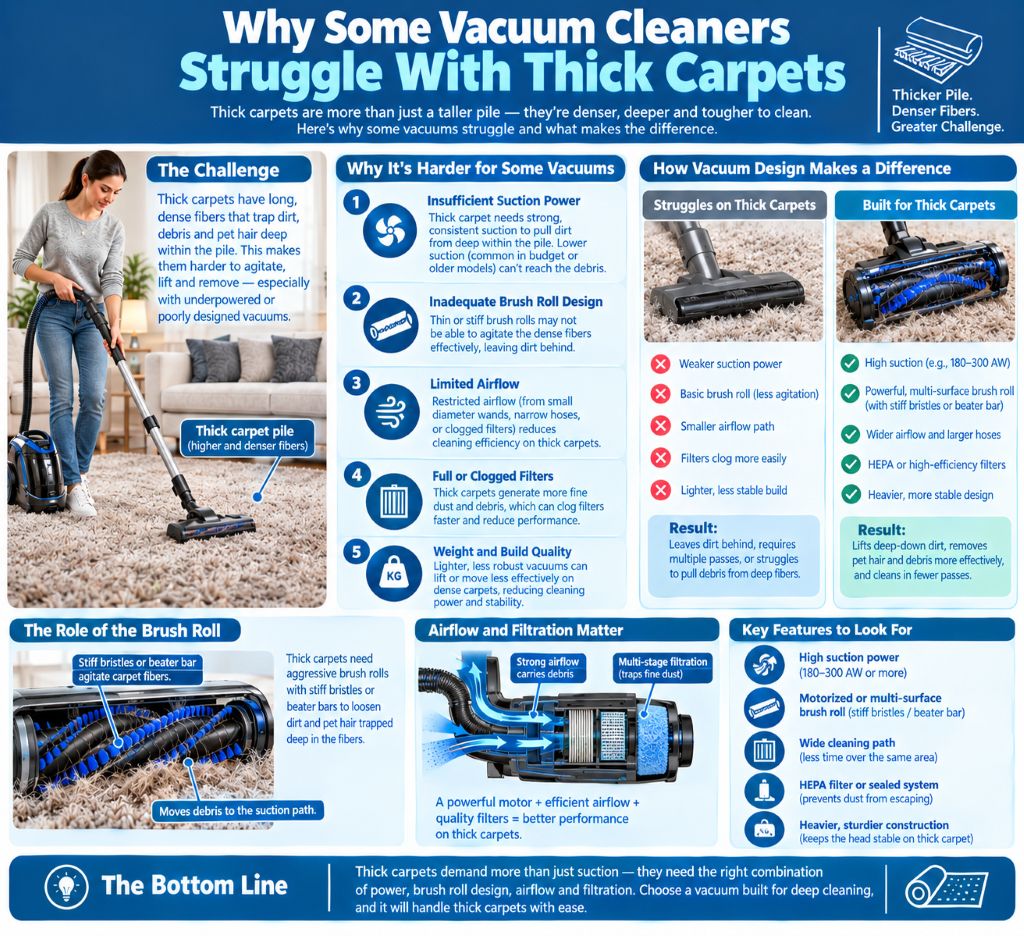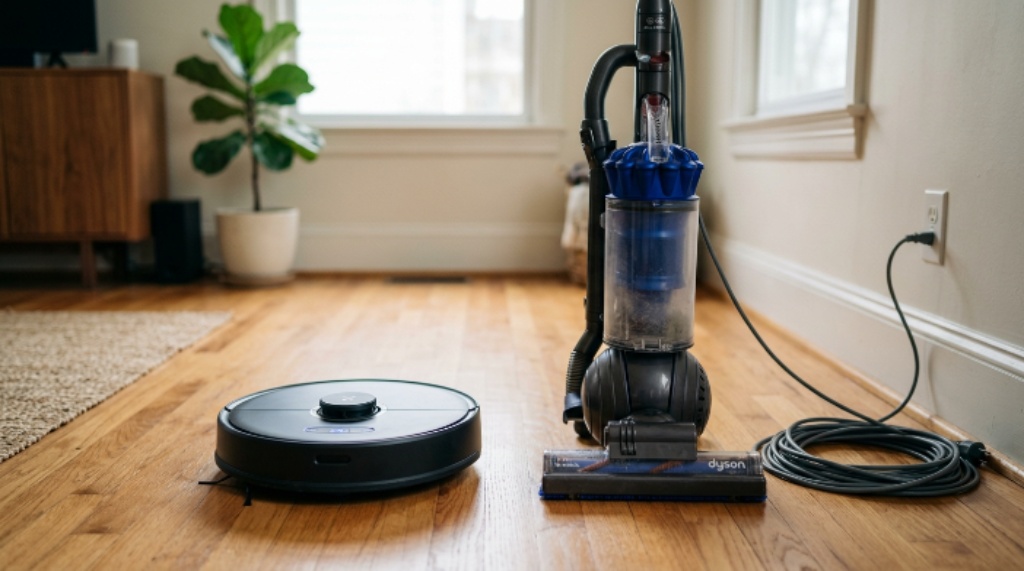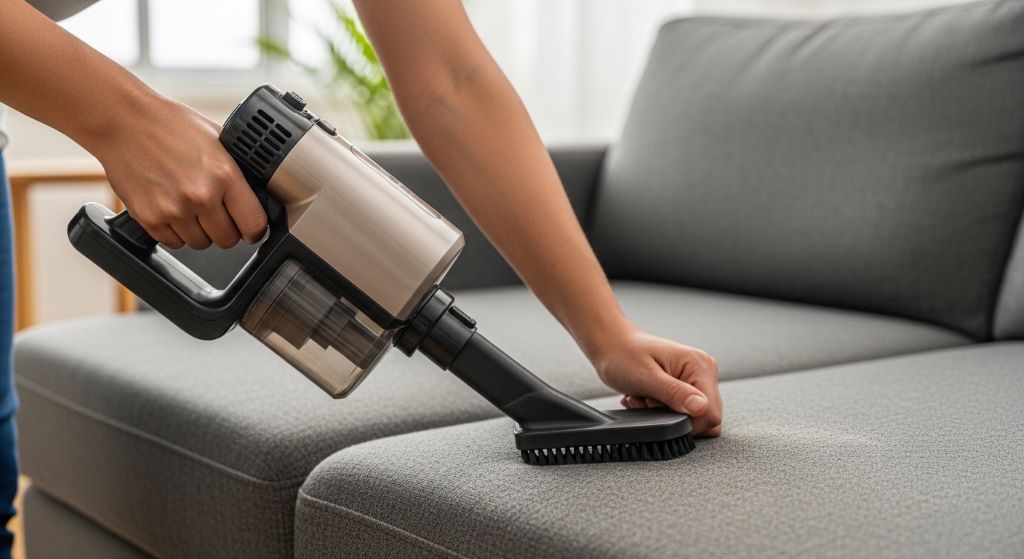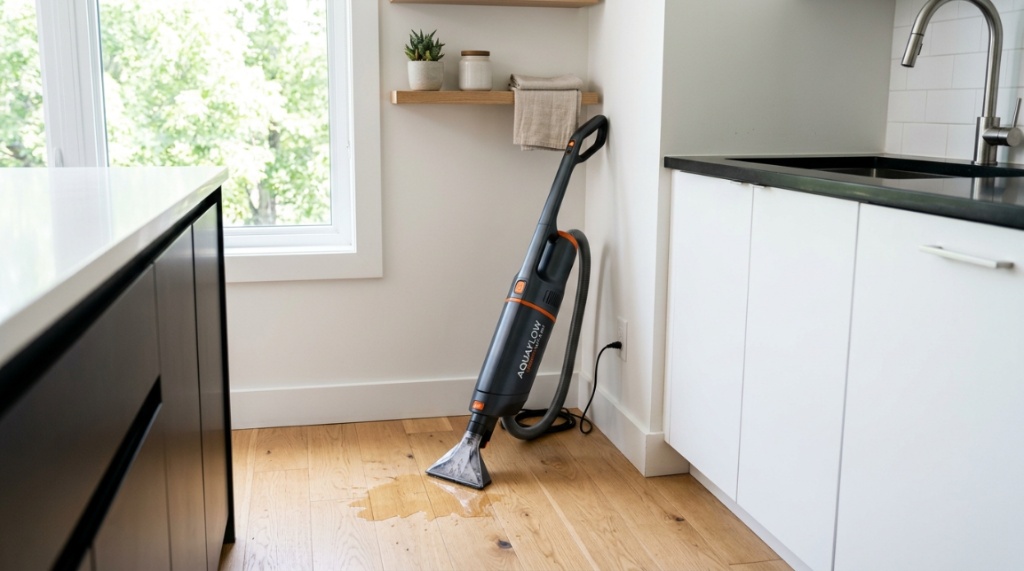
Living in an apartment, condo, or workshop with limited square footage presents a unique challenge when you need to clean up messes. Full-size shop vacuums are powerful, but they are bulky, heavy, and difficult to store. You need a unit that packs serious suction into a smaller footprint without sacrificing performance. The best compact wet dry vacuum solves this problem by combining portability, storage convenience, and the versatility to handle both liquid spills and dry debris.
Key Takeaways
- Compact wet dry vacuums sacrifice tank volume for a smaller footprint, making them ideal for tight storage but requiring more frequent emptying.
- Static water lift and air watts, not motor amps alone, are the true indicators of suction power in a smaller unit.
- Filter type matters significantly; reusable cartridge filters prevent clogs during liquid pick-up better than standard paper bags.
- Pay attention to the power cord length and hose diameter, as a compact machine does not help if it cannot physically reach the mess.
Understanding The “Compact” Category
When manufacturers mark a vacuum as “compact,” they are generally referring to tanks under 5 gallons with a physical height that allows them to fit on a shelf or under a workbench. Unlike commercial units that require a dedicated corner of the garage, a truly compact unit is designed for easy lifting and vertical or horizontal storage options. The trade-off is tank capacity: what you gain in portability, you lose in the ability to collect large volumes of debris before emptying the drum.
If you are dealing with a major renovation or continuous woodworking, a standard 10-gallon unit might be better. However, for detailing a car, cleaning up after a plumbing leak, or managing everyday household dust, these smaller units reduce fatigue and lower the intimidation factor often associated with moving shop vacuums around.
Defining The “Wet/Dry” Functionality
A wet/dry vacuum is distinguished by its ability to traverse between picking up drywall dust and standing water without requiring a filter change. This is achieved through a float mechanism within the tank that raises to cut off airflow when the liquid reaches a certain level. In compact units, this mechanism is even more critical since the tank fills up faster. If the float fails, you risk spraying water out of the exhaust port, which can ruin the motor or damage the surrounding area.
Critical Specifications For Small Units
Most compact vacuums feature a 1- to 3-gallon tank. This sizing requires a specific balance of features that larger units do not necessarily need. You need high static pressure to move dense debris through a relatively short hose, and you need a wide enough hose to prevent quick clogging.
Here are the three main specifications to analyze before purchasing:
- Peak Horsepower (HP): This is often misleading, as it measures the motor’s power draw, not actual cleaning ability. Treat HP as a marketing number; prioritize Air Watts instead.
- Static Water Lift (Inches): This measures how many inches of water the vacuum can lift against gravity. A higher number here usually means better suction for picking up small pebbles or heavy screws.
- CFM (Cubic Feet per Minute): This measures the volume of air moving through the hose. High CFM is essential for inflating/deflating items (when reversed) or picking up large volumes of lighter dust quickly.
Why Air Watts Matter More Than Amps
Amps refer to the electrical current being used, which correlates with the motor’s energy consumption, not its cleaning efficiency. Air Watts combine the airflow (CFM) and suction (Water Lift) into a single useful metric. A quality best compact wet dry vacuum will likely advertise Air Watts or at least allow you to calculate the efficiency by reviewing the CFM and water lift specs. Generally, you want a unit with at least 60 CFM and 50 inches of water lift for general household debris.
Evaluating Build Quality and Filtration
Since a compact vacuum is likely to be stored in a closet or on a shelf, the plastic quality and sealing mechanism are crucial. Cheaper units often use thin polypropylene that cracks when dropped or when the hose is yanked incorrectly.
The filtration system is the core of the utility. Many low-cost units rely on paper bags, which are unsuitable for wet messes. For a wet/dry model, you need a reusable cartridge filter that fits over the motor cage. Some high-end compact units also feature a foam sleeve that slips over the cartridge for easier cleaning of fine dust.
Filter Maintenance Best Practices
To prevent odor buildup and maintain suction, clean the cartridge filter after every major use. If you vacuum up drywall dust, tap the filter clean outdoors. If you vacuum up water, remove the filter and let it air dry completely before reattaching it to prevent mold spores from being blown back into your living space, To keep your cleaning equipment running at peak performance for years to come, be sure to read our complete guide on How to Maintain Your Upright Vacuum for Long Lifeacuum for Long Life.
Portability vs. Storage
There is a distinct difference between a vacuum with wheels and a “carry” vacuum. Some compact units are small enough to hold in one hand, while others feature a wheeled base that minimizes dragging. For small spaces, consider where you will store it. A wheeled unit often requires floor space, while a carry unit can hang on a wall or sit on a high shelf.
However, you rarely want to carry a vacuum with one hand while trying to clean with the other. If you are using it for heavy-duty jobs, look for a model with a shoulder strap or an ergonomic top handle that allows for a comfortable grip. The weight distribution is vital; a top-heavy motor head can make the unit tip over when the tank is empty if the base is too light.
Hose and Accessory Management
Most compact units include a built-in accessory holder on the motor head or the side of the tank. This prevents you from losing the crevice tool, which is often the primary attachment used in tight spaces. If the accessories do not click securely into place, they will fall off during transport. Ensure the hose connects to the tank via a twist-lock mechanism rather than a simple friction fit to prevent air leaks that sap suction.
Common Mistakes When Choosing a Small Wet Dry Vac

Many buyers make the mistake of assuming that a lower price equals a better value because the unit is smaller. This is often incorrect. The manufacturing tolerance for a 2.5-gallon vacuum must be higher than a 10-gallon unit, as the motor is operating in a much smaller enclosed space.** Here are a few common pitfalls to avoid:
- Ignoring Cord Length: A small unit with a 6-foot cord is useless in a driveway. Look for a minimum of 8 to 10 feet of cord to maintain maneuverability.
- Overlooking Noise Levels: Smaller vacuums often run at higher decibel levels because the motor is not insulated as heavily. Check for a noise-dampening shroud or a “quiet” rating if you live in an apartment.
- Using the Blower Function Incorrectly: Many units feature a blower port on the rear. In a compact unit, this can blow dust directly into your face if you are not careful due to the reduced distance between the intake and exhaust.
Why a 2.5-Gallon Size Hits the Sweet Spot
In the compact category, 2.5 gallons offers the ideal compromise between portability and utility. A 1-gallon unit fills up almost instantly with any liquid spill, making the task tedious. A 4-gallon unit starts to become heavy and awkward to carry.
The 2.5-gallon tank is sufficient for cleaning the interior of a standard sedan, handling a leaking water heater, or collecting sawdust from a miter saw. This size also typically accommodates a standard 1.25-inch hose, which is wide enough to handle most debris without being too bulky to maneuver around legs and furniture.
Ideal Use-Case Scenarios
The specific “best” unit depends entirely on your primary use case:
- Homeowners: Best for cleaning out the refrigerator coils, washing machine drains, and sweeping up fireplace ash.
- Apartment Dwellers: Essential for clearing clogs in the sink trap and cleaning the bathroom floor after a shower leak.
- Car Enthusiasts: Pivotal for extracting water from seat crevices after cleaning and vacuuming up pet hair from carpets.
Top Features To Prioritize
While looking at different specifications, certain features elevate the usability of a small vacuum significantly. You should prioritize models with a drain port for liquids, allowing you to empty the tank without removing the motor head. This prevents water from spilling onto the motor contacts. Second, look for a “wet/dry” switch or a clear indication on the float system. The motor should have a thermal overload switch to shut down the unit if the filter becomes clogged or the tank fills up, preventing motor burnout.
Consider the sound insulation as well; a superior compact unit will have sound dampening features. Modern higher-end compact units use a diffuser on the exhaust to reduce noise and prevent the air blast from disturbing the work area.
Frequently Asked Questions
Can I use a compact wet dry vacuum to clean my car without scratching it?
Yes, but you must use the brush attachment included in the accessory set. The high static pressure of a compact vacuum creates stiff airflows.
How do I pick up water without ruining the filter?
Remove the paper bag (if used) and allow the foam or cartridge filter to remain on the motor. Some filters are moisture-resistant, but if yours is not, you should remove it and use a specific “wet” foam sleeve. Once the tank reaches capacity, the float cuts off suction to protect the motor.
Is a higher amp motor always better in a compact vacuum?
No. Amps indicate energy consumption. In compact units, a motor that draws 5 amps usually has similar suction to a poorly designed 2-amp motor. Look for the Air Watt rating instead, as it measures the actual cleaning power that reaches the surface you are vacuuming.
Can I vacuum up drywall dust with a wet dry vacuum?
Yes, but this is the hardest task for a compact unit. Drywall dust is very fine and will clog a standard cartridge filter immediately. You must have a HEPA-rated filter installed or be prepared to clean the filter frequently, as the fine dust will significantly reduce suction within minutes.
Do compact units come with a blower function?
Many do. This feature allows you to connect the hose to the exhaust port to blow dust out of a garage or inflate an air mattress. It is a handy bonus, but be aware that the airspeed is usually lower than on full-size units, so inflation takes longer.
How often should I replace the filter?
With proper care, a washable cartridge filter can last one to two years in a compact unit that is used bi-weekly. Once the felt material starts to tear or compact down and becomes deformed, it is time for a replacement to maintain optimal airflow.
Conclusion
Finding the best compact wet dry vacuum for your small space is about balancing capacity, suction, and build quality. You do not need to settle for a weak unit just because you lack floor space. Focus on the Air Watt rating, a durable hose, and a robust filter system that handles both debris and spills. Whether you choose a wheeled model for the garage or a carry model for the apartment, ensuring the tools are easily accessible is half the battle.