






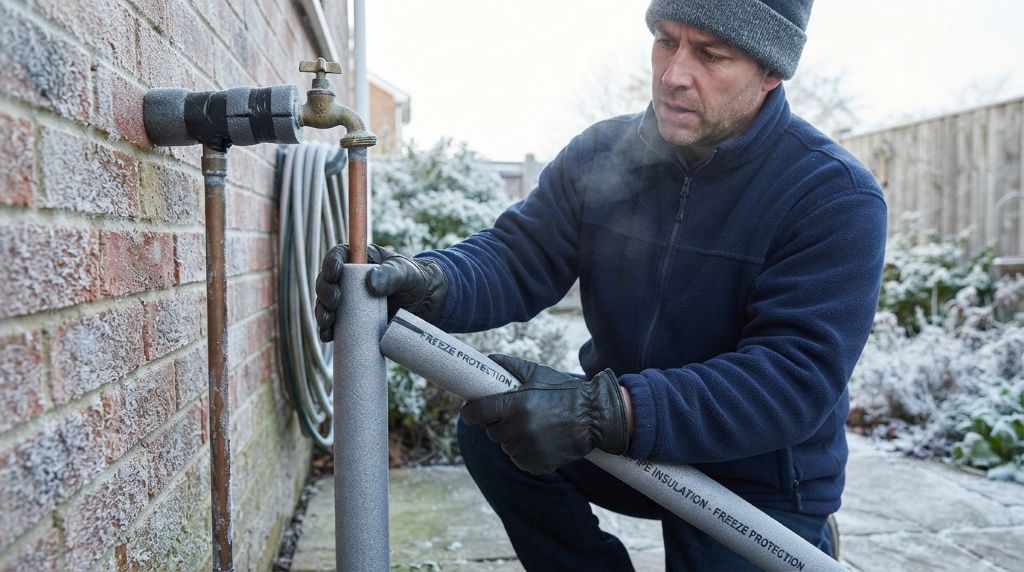
Winter brings cozy nights and snow-covered mornings. However, it also brings a hidden threat to your home. When temperatures drop, the water inside your pipes can freeze. Water expands as it freezes, and that expansion puts massive pressure on pipe walls. Consequently, pipes crack or burst, and water floods your home when the ice thaws. As home maintenance experts at NewHouseProject.com warn, a single burst pipe can cause thousands of dollars in damage. Therefore, prevention is far cheaper than repair. The good news is that protecting your pipes takes only a weekend of simple work. In this post, you will learn why pipes freeze, which pipes are most at risk, and the exact steps to take before the next cold snap. Read on, because a little preparation now saves a huge disaster later.
Key Takeaways
- Water expands about nine percent when it freezes, which bursts pipes from the inside.
- Pipes in attics, crawl spaces, garages, and exterior walls freeze first.
- Insulating foam sleeves cost a few dollars and prevent most freezing.
- Letting faucets drip during hard freezes keeps water moving through the pipes.
- Keeping your thermostat at 55°F or above protects pipes even when you travel.
- Opening cabinet doors lets warm air reach pipes under sinks on exterior walls.
Why Pipes Freeze and Burst in Cold Weather
To prevent the problem, you first need to understand it. Pipes freeze when the water inside them drops to 32°F (0°C) or below. However, the freezing itself is not what bursts the pipe. According to the Insurance Institute for Business and Home Safety, water expands roughly nine to ten percent when it turns to ice. That expansion puts pressure on the pipe walls from the inside. Additionally, the pressure builds between the ice blockage and the closed faucet. Consequently, even strong copper or PVC pipes can crack under that force.
Interestingly, the coldest nights are not always the biggest risk. Pipes freeze most often during sudden cold snaps in early winter or in mild climates. The reason is simple. Homes in cold regions have insulation designed for winter. However, homes in warmer areas often have pipes in unheated spaces with no protection at all. Therefore, a rare freeze in a normally warm region causes the most bursts.
Freeze risk also depends on where a pipe sits. Water in a buried main stays warmer because the ground insulates it. However, water in an exposed line drops to air temperature quickly. Therefore, wind exposure matters too. A pipe near a drafty vent or cracked wall freezes faster than one in a closed space.
The damage adds up quickly. The Insurance Institute for Business and Home Safety reports that frozen pipe claims average around 18,000 dollars, and a single severe burst can far exceed that. Additionally, water damage spreads to floors, walls, and electrical systems within hours. Consequently, a few hours of prevention is one of the best investments you can make in your home this season.
Which Pipes Are Most at Risk in Your Home
Not every pipe in your house faces the same danger. Therefore, start your winter prep with a quick inspection. Knowing your risk points turns a big job into a small one. Below are the places where pipes freeze first.
- Pipes in unheated interior spaces, such as attics, basements, and crawl spaces.
- Pipes running through exterior walls with little or no insulation.
- Lines in garages and unheated sheds, especially those supplying outdoor faucets.
- Outdoor hose bibs and sprinkler supply lines.
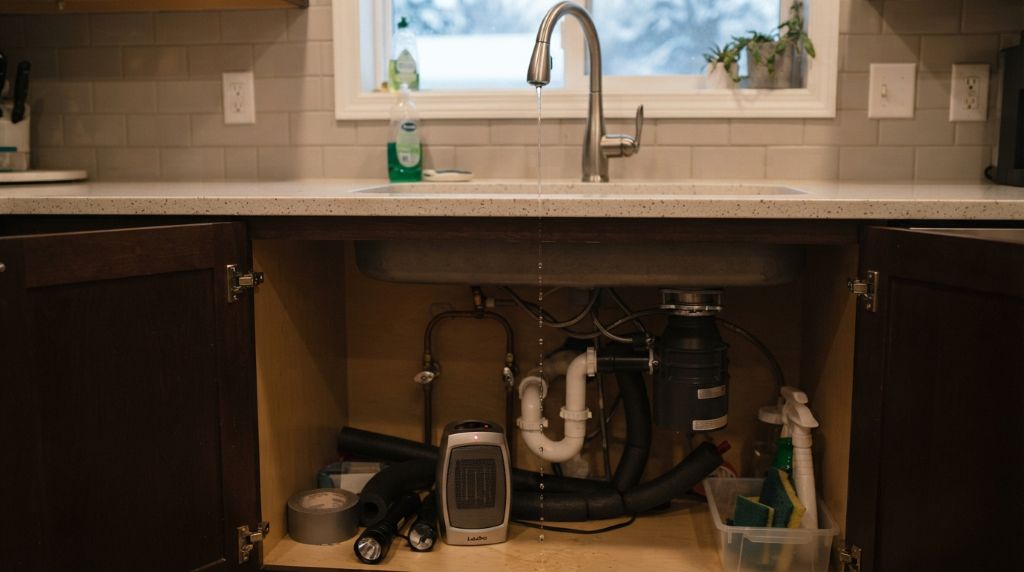
- Pipes under kitchen and bathroom sinks that sit against an exterior wall.
Start your inspection outdoors. Disconnect every garden hose before the first freeze, because a frozen hose pushes ice back into the faucet and the supply line. Additionally, drain and shut off the water supply to outdoor lines if you have a shutoff valve for them. However, do not stop at the outdoors. Walk your basement or crawl space and look for pipes with no insulation on them. Moreover, feel for cold drafts near pipes, because a draft means freezing air reaches the line.
Next, check under your sinks. If a sink sits on an exterior wall, its supply pipes are at high risk. Additionally, look for pipes near holes where cables, vents, or wires enter the house. Those gaps let freezing wind blow directly onto the pipes. A study of cold-weather claims by the Insurance Institute for Business and Home Safety found that most burst pipes occur in unheated or poorly insulated spaces.
Finally, check your thermostat location and your heating vents. A room that stays cold all winter is a danger zone for any pipes inside it. Consequently, keeping doors open inside your home lets heat reach more of your plumbing. Do this inspection once, and you will know exactly where to focus your protection efforts.
Proven Steps to Protect Your Pipes Before Winter
Now for the hands-on part. Protecting pipes is cheap and simple. Most supplies cost under fifty dollars total at any hardware store. Therefore, gather your materials and follow these steps on a free weekend.
- Install foam pipe insulation sleeves on all exposed pipes in unheated spaces.
- Seal gaps and cracks where cold air enters, using caulk or spray foam.
- Drain and store garden hoses, then insulate outdoor hose bibs with foam covers.
- Shut off and drain the water supply to sprinkler and pool lines.
- Insulate attics, basements, and crawl spaces to raise the temperature around the pipes.
- Keep the thermostat at 55°F or above, even when you leave town.
Foam insulation sleeves are the star of this list. They slip over pipes and slow heat loss dramatically. Additionally, for extra protection in very cold climates, wrap pipes first with heat tape or heat cable. However, follow the manufacturer’s instructions closely, because overlapped heat tape can overheat.
Air sealing matters just as much as insulation. A pipe can freeze in an insulated wall if freezing wind blows through a gap nearby. Therefore, walk your exterior walls inside and out and look for openings around vents, cables, and dryer ducts. A few dollars of caulk fixes most of them.
Additionally, pay attention to your garage. Keep the garage door closed during cold weather, because an open door turns the garage into a freezer. Consequently, any pipes or water heaters inside get hours of cold exposure for no reason.
If you are renovating or building, consider the long term. A professional plumber can relocate vulnerable pipes to heated interior spaces. Therefore, if you live in a cold region and have pipes in an exterior wall, ask for a quote during your next remodel. Prevention is always cheaper than a flooded home.
What to Do During a Hard Freeze and When You Travel
Even well-prepared homes face extreme cold nights. Therefore, know your emergency habits before the forecast turns brutal. These steps cost nothing but attention.
- Let cold water drip from faucets fed by exposed pipes, because moving water freezes far slower.
- Open cabinet doors under sinks on exterior walls so warm air circulates around the pipes.
- Keep the thermostat at the same setting day and night during a deep freeze.
- Keep garage doors and windows closed to trap every bit of heat.
- Ask a neighbor to check your home daily if you travel during freezing weather.
The dripping faucet trick works because of simple physics. Moving water carries energy and resists freezing, even at a slow trickle. Additionally, a slight flow relieves pressure if ice does start to form. Therefore, let the faucet farthest from your water main drip during the coldest hours, which are usually between midnight and dawn.
If you leave for a winter vacation, do not turn your heat off. Set the thermostat no lower than 55°F. Additionally, shut off the main water valve and drain the system by running faucets until they empty. Consequently, even if a pipe freezes and cracks, almost no water remains to flood your home. Furthermore, leave your contact details with a neighbor so problems get caught fast.
Finally, know the warning signs of a frozen pipe. If a faucet runs only a trickle in freezing weather, suspect ice in the line. Additionally, frost on an exposed pipe or a strange smell from a drain both point to blockage. If you find a frozen pipe, keep the faucet open and warm the pipe gently with a hair dryer or warm towels. However, never use an open flame, a propane torch, or a heat gun, because those methods damage pipes and start fires. Consequently, patience with gentle heat solves most freezes safely.
Conclusion
Frozen pipes are one of winter’s most expensive disasters, but they are also one of the most preventable. You now know the danger zones, which are unheated spaces and exterior walls. Additionally, you have a clear plan, which includes insulation sleeves, air sealing, dripping faucets, and a steady thermostat. These same precautions can also help keep your outside well pump from freezing, especially when temperatures drop for extended periods.
Therefore, act before the next cold snap. Buy pipe insulation this week, disconnect your hoses, and seal the gaps around your exterior walls. Set a calendar reminder to check the forecast and your thermostat before you travel. One weekend of preparation protects your home all season, so start today and keep your pipes, walls, and wallet safe this winter.
FAQs
At what temperature do pipes freeze?
Pipes begin to freeze when water reaches 32°F (0°C). However, the risk rises sharply after several hours below 20°F. Therefore, watch the forecast for hard freezes, not just cold nights.
Should I let my faucets drip all winter?
No, only during hard freezes. A slow drip from the faucet farthest from the water main keeps water moving. Consequently, moving water resists freezing in exposed pipes.
Will pipes unfreeze on their own?
Sometimes, but waiting is risky. Gently warm the pipe with a hair dryer or hot towels while the faucet stays open. However, call a plumber if you cannot find the frozen spot or if a pipe has already burst.
How do I know if a pipe has already burst?
Watch for loss of water pressure, water stains, bulging pipes, or puddles. Additionally, check your water meter with all faucets off. If the meter still moves, a leak exists somewhere in the system.
Is pipe insulation worth the cost?
Absolutely. Foam sleeves cost a few dollars per pipe and prevent thousands in flood damage. Therefore, insulating exposed pipes is one of the cheapest home protection jobs available.