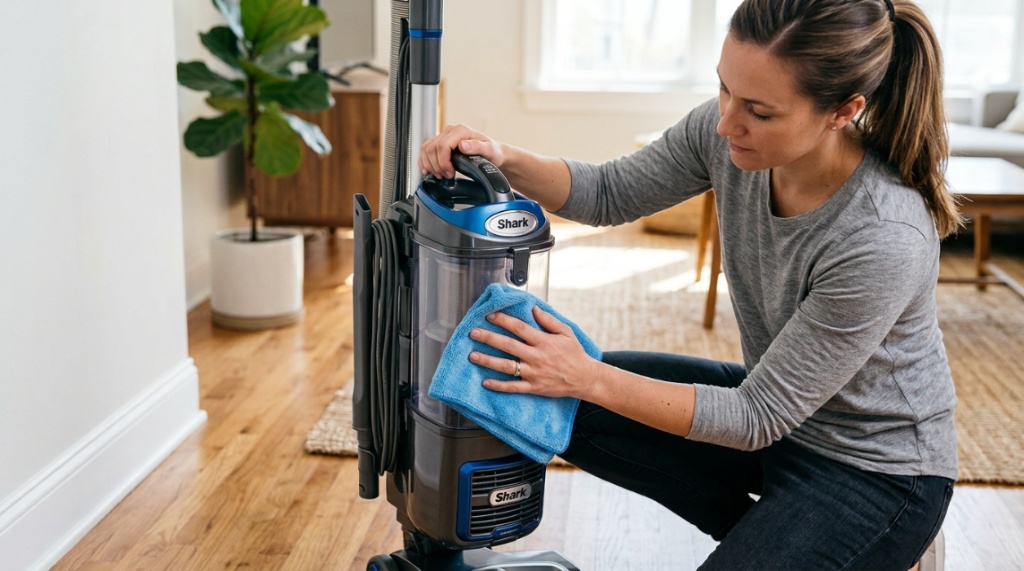
You bought a good upright vacuum hoping it would last years. But now it smells like burnt dust, the brush roll won’t spin, and you’re wrestling with a hose that has no suction. You might be minutes away from buying a new machine—or one simple fix away from restoring it to factory performance. Most vacuum failures aren’t mechanical; they’re maintenance failures. In this guide, you’ll learn exactly how to maintain upright vacuums Texas owners rely on for tackling everything from pet hair on rugs to fine dust on hardwood. Let’s get your vacuum picking up like new again.
Why Does My Upright Vacuum Lose Suction So Quickly?
Loss of suction is the single most common complaint among vacuum owners, and it often happens within the first six months of ownership. The good news is that the cause is almost always a blockage or a full dirt bin, not a broken motor.
The Three Most Common Causes of Suction Loss
First, check the dirt bin or bag. When the bin is full, airflow drops drastically. Second, examine the filter. Most upright vacuums have at least one filter that traps microscopic dust; when clogged, air can barely pass through. Third, inspect the hose and wand. A sock, a hairball, or a piece of cereal can create a plug that kills suction instantly. Start with these three checks every time you notice performance drop-off.
How to Perform a Quick Blockage Check
Turn off the vacuum and unplug it. Remove the dirt bin and hose. Look through the hose toward a bright light—if you see darkness or debris, use a broom handle or a plumber’s snake to push it out. Check the base where the brush roll meets the suction path. Clearing these areas takes five minutes and restores full suction most of the time.
How Often Should You Clean or Replace Vacuum Filters?
You should clean washable filters every month and replace non-washable filters every three to six months. This single habit extends the life of your vacuum more than any other practice.
Washable vs. Disposable Filters: Know the Difference
Washable filters are usually made of foam or felt and can be rinsed under cold water. Let them air-dry completely for 24 hours before reinstalling—never put a wet filter back in, as moisture damages the motor. Disposable filters, like HEPA media filters, cannot be washed. Tap them gently over a trash can to remove loose dust, but replace them according to your owner’s manual. Running a vacuum with a dirty disposable filter forces the motor to overwork, leading to early failure.
Signs That Your Filter Needs Immediate Attention
If you see dust escaping from the vacuum exhaust, if the vacuum sounds higher-pitched than usual, or if the brush roll stops spinning under carpet load, your filter is likely clogged. Also, if you notice a musty or dusty smell during operation, it’s time to service the filter. In Texas homes with heavy pollen or construction dust, check filters every two weeks during peak seasons.
What Is the Best Way to Clean the Brush Roll on an Upright Vacuum?
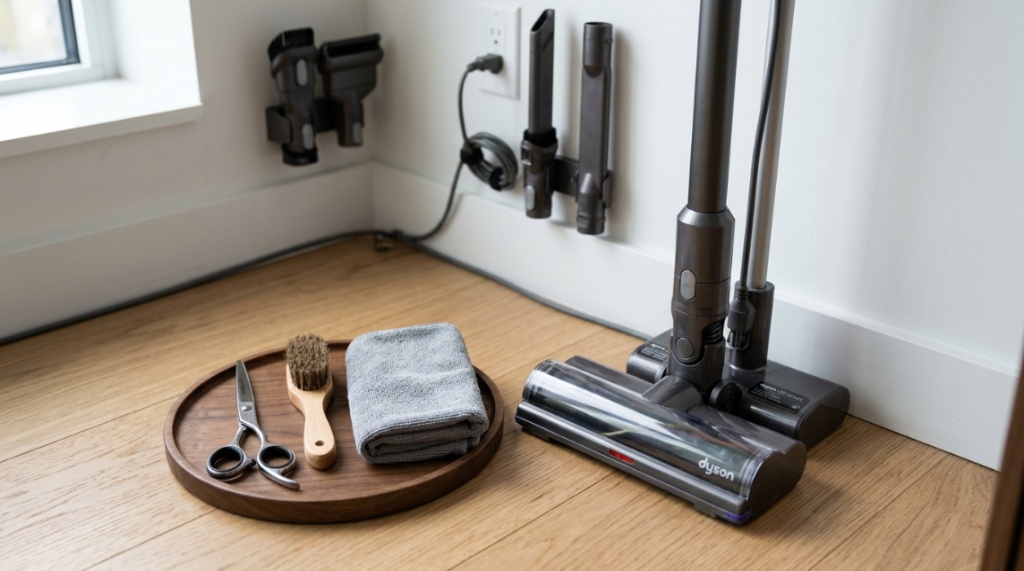
Use a pair of scissors or a seam ripper to cut hair, thread, and fibers wrapped around the brush roll. Do this every two weeks if you have pets or long-haired household members.
Step-by-Step Brush Roll Cleaning
First, unplug the vacuum. Turn the vacuum over and remove the bottom plate (usually held by a few screws or clips). Pull the brush roll out carefully. Using scissors, slide the blade under the wrapped hair and cut along the groove. Pull the cut hair away in long strips. Check the end caps and bearings for hair buildup. Reinstall the brush roll, replace the plate, and plug the vacuum in. Spin the roll manually to ensure it moves freely. This process prevents motor strain and keeps carpet fibers from fraying.
When to Replace the Brush Roll
If the bristles are worn down to the plastic core, if the brush roll is cracked, or if it wobbles when spinning, replace it. Most brush rolls last about 12–18 months under normal use. Running a vacuum with a worn brush roll reduces carpet cleaning effectiveness and can damage the vacuum belt.
Can You Overfill a Vacuum Bag or Dirt Bin?
Yes, overfilling a bag or dirt bin is one of the fastest ways to kill your upright vacuum. A full bag or bin reduces airflow, which causes the motor to overheat and the brush roll to stop spinning.
How Full Is Too Full?
For bagless vacuums, empty the dirt bin when debris reaches the “Max Fill” line or when the bin is two-thirds full. For bagged vacuums, replace the bag when it is about 70 percent full. Compressing debris to fit more into a bin or bag restricts airflow, making the motor work harder. In Texas, where fine dust and sand are common, bags fill faster than you might expect—check them weekly.
The Hidden Danger of Overfilled Bins
When a dirt bin is overfilled, fine particles bypass the filter and enter the motor housing. This accumulates on motor windings and bearings, eventually causing the motor to seize. Replacing a motor costs as much as buying a new vacuum. Emptying the bin regularly is free maintenance that prevents this costly failure.
How Do You Keep the Vacuum Belt from Breaking?
Inspect the belt every time you clean the brush roll. If it looks stretched, cracked, or glazed, replace it immediately. A broken belt stops the brush roll, rendering the vacuum almost useless on carpet.
Why Belts Break and How to Prevent It
Belts break because of brush roll resistance. Hair, string, and carpet fibers wrapped around the brush roll create friction that overheats and snaps the belt. The solution is simple: keep the brush roll clean. Also, avoid vacuuming large debris like coins or toys that can jam the brush roll. Many uprights now use two belts—one for the brush roll and one for the motor—so check both if your model has them.
Signs That a Belt Is About to Fail
A burning rubber smell, a brush roll that stops spinning while the motor runs, or a visible groove worn into the belt are clear warning signs. Replace the belt as soon as you notice any of these symptoms. Belts cost a few dollars; a new vacuum costs hundreds.
Which Vacuum Attachments Should You Clean Regularly?
Clean the crevice tool, dusting brush, and upholstery tool every month. These attachments harbor bacteria and lose suction when clogged.
How to Clean Attachments Properly
Detach each tool from the hose. For narrow crevice tools, use a pipe cleaner or long skewer to push out clumps of dust and hair. For brush attachments, remove tangled hair with scissors and then wash the bristles with mild soap and water. Let them dry fully before reattaching. Clogged attachments force the motor to work harder because the airflow is restricted at the tool end. In Texas homes with central HVAC systems, attachments can collect surprising amounts of fine dust—don’t overlook them.
The Importance of Cleaning the Upholstery Tool
The upholstery tool often picks up pet dander, dead skin cells, and lint. If it smells musty, wash it. A clean upholstery tool not only performs better but also prevents odors from transferring to your furniture. This is especially important if you use your vacuum on mattresses or sofas regularly.
When Should You Replace the Vacuum Hose?
Replace the hose immediately if you see a crack, a puncture, or a crushed section that won’t hold its shape. A damaged hose leaks suction, making entire sections of your home impossible to clean effectively.
How to Patch a Small Hose Hole
For small punctures (dime-sized or smaller), you can use electrical tape or duct tape as a temporary fix. Clean the area around the hole, dry it, and wrap the tape tightly so it creates an airtight seal. For larger tears or splits, replacement is the only reliable option. Most vacuum hoses are affordable and easy to swap out using clips or a screw-on connection.
Preventing Hose Damage
Never yank the vacuum by the hose. Store the vacuum with the hose loosely coiled, not kinked or bent sharply. In Texas garages or storage closets where temperatures fluctuate, hoses become brittle over time—handle them gently during winter months. If you notice the hose collapsing when you turn on the vacuum, that indicates a blockage inside the hose, not a hose defect. Clear the blockage first before ordering a replacement.
How to Store Your Upright Vacuum to Prevent Damage
Store your upright vacuum in a dry, climate-controlled area, standing upright, with the hose loosely attached and the cord wrapped around the cord hooks—not the hose. Improper storage causes more vacuum damage than normal use.
The Worst Places to Store a Vacuum
Do not store your vacuum in an unheated garage, a damp basement, or against a wall where it can be knocked over. Extreme heat and cold degrade plastic components, rubber belts, and seals. Moisture promotes mold growth inside the dirt bin and hose. In Texas, attics and garages easily exceed 100°F in summer—these temperatures warp plastic fittings and weaken the hose. Store your vacuum in an interior closet or a conditioned space.
Cord Care Extends Vacuum Life
Never pull the plug from the wall by yanking the cord. When wrapping the cord, do not cinch it tightly or tie it in knots. Loosely coil it over the cord hooks to prevent internal wire breakage. A frayed cord is a fire hazard and typically requires professional repair or replacement. Good cord habits mean you never have to deal with an electrician for a simple maintenance issue.
Why Does My Vacuum Smell Like Burning? Should I Worry?
A burning smell from your upright vacuum is a serious warning sign that should never be ignored. It almost always indicates overheating due to a blocked airflow, a stalled brush roll, or a worn belt.
Immediate Steps When You Smell Burning
Turn off the vacuum and unplug it immediately. Allow it to cool for 30 minutes. During that time, check the dirt bin, filter, brush roll, and hose for blockages. If you find a clog, clear it. If the brush roll is frozen with hair, clean it. If the belt smells like burnt rubber, replace it. After clearing the problem, plug the vacuum back in and run it on a low-pile carpet for two minutes. If the smell returns, there may be motor damage, and you should contact a repair professional.
Preventing Burn Smells Altogether
The best prevention is sticking to a monthly maintenance routine. Clean the filter, empty the bin, check the brush roll, and inspect the belt. Many vacuum owners never smell burning because they never let debris accumulate. In homes with high-pile carpets or heavy pet traffic, increase maintenance to twice a month for consistent performance.
How Do You Fix a Vacuum That Stops Spinning or Moving?
If your vacuum stops spinning the brush roll or struggles to push across carpet, check for brush roll hair wrap, a broken belt, or a jammed wheel. These are all easy fixes that do not require a service call.
Diagnosing a Non-Spinning Brush Roll
Flip the vacuum over. Try to spin the brush roll by hand. If it won’t turn, hair and debris are likely wrapped around the ends. If it spins freely but the vacuum doesn’t spin it when powered on, the belt is likely broken or stretched. Replace the belt and retest. If the brush roll still doesn’t spin, the motor that drives the brush roll may have failed—this is less common and usually requires professional repair.
Why Your Vacuum Is Hard to Push
Hard-to-push vacuums often have a buildup of hair around the wheel axles or a brush roll that is set too low for the carpet height. Check the wheel axles—pull away hair and thread with pliers. Adjust the brush roll height setting to match your carpet type. For vacuums with a manual height adjustment, start at the highest setting and lower it until you feel contact with the carpet. A properly adjusted vacuum glides smoothly.
Can Using the Wrong Vacuum Damage Your Floors?
Yes, using an upright vacuum with the wrong brush roll setting on delicate floors can scratch hardwood, dull laminates, and pull loops from carpet. Always match the brush roll height to the floor type you are cleaning.
Hardwood and Tile Settings
For bare floors, many upright vacuums have a “hard floor” mode that stops the brush roll spinning or raises it above the floor. If your vacuum lacks this feature, turn off the brush roll if possible, or switch to a dedicated hard floor attachment. Running a spinning brush roll on hardwood creates micro-scratches that make the floor look dull over time. Always test your vacuum on an inconspicuous patch of floor first.
High-Pile Carpet vs. Low-Pile Carpet
Use a higher brush roll setting for high-pile carpet to avoid burying the brush roll in the fibers, which strains the belt and motor. Use a lower setting for low-pile carpet to maximize agitation. The correct setting improves cleaning results and reduces wear on both the vacuum and the carpet. This is especially important in Texas homes with a mix of tile, engineered wood, and thick area rugs.
How to Extend the Life of Your Vacuum’s Motor
The motor is the heart of your upright vacuum. To extend its life, keep the airflow path completely clear, never run the vacuum with a full bin, and let it cool down for five minutes after heavy use,Proper maintenance is key to a long-lasting machine. If you are currently in the market for a new unit, you might want to decide between Hoover and Shark vacuums for everyday cleaning before finalizing your next purchase.
The Importance of Airflow for Motor Longevity
Every vacuum motor relies on a steady stream of cool air to stay within operating temperature. When filters are clogged, bins are overfilled, or hoses are blocked, the motor receives less cooling air. This causes the motor to overheat, and repeated overheating degrades the motor windings and bearings. Maintaining airflow is the single most effective way to maintain upright vacuum Texas owners need for the long haul. A clean vacuum is a cool-running vacuum.
When to Give Your Vacuum a Break
If you are cleaning an entire house, take a five-minute break every 15 minutes. This allows the motor to cool and prevents thermal stress. Many vacuum warranties explicitly state that running the vacuum for extended periods without breaks voids the warranty. Simple rest periods cost nothing and add years to the machine’s lifespan.
Frequently Asked Questions
How often should I change the belt on my upright vacuum?
Replace the belt every six to twelve months, or immediately if you notice a burning smell or the brush roll stops spinning. Check the belt every time you clean the brush roll.
Can I wash the HEPA filter on my upright vacuum?
Most HEPA filters are not washable. Check your owner’s manual. If the label says “washable,” rinse with water only. If it says “replaceable,” do not wash it—replace it every three to six months.
What should I do if my vacuum smells like wet dog?
The smell usually comes from a damp filter or dirt bin. Clean the bin with warm soapy water, allow the filter to dry completely, and let the vacuum sit unplugged for 24 hours with the bin removed to air out.
Is it safe to use my upright vacuum on hardwood floors?
Yes, but only if you use the hard floor setting or turn off the brush roll. A spinning brush roll can scratch hardwood and laminate surfaces. Use the appropriate attachment for bare floors.
Why does my vacuum leave dirt behind on carpet?
This usually means the brush roll is clogged with hair, the belt is slipping, or the carpet height setting is wrong. Check and clean the brush roll first, then adjust the height setting.
Can I store my vacuum in an outdoor shed?
No. Extreme heat, cold, and humidity damage plastic parts, rubber belts, and filters. Store the vacuum in a climate-controlled indoor area for long life.
How do I know if my vacuum belt is too loose?
If the brush roll does not spin when the vacuum is on carpet, or if the belt feels loose when you press on it with your finger, replace it. A loose belt reduces cleaning performance.
Conclusion
Maintaining your upright vacuum doesn’t require a toolbox full of spare parts or weekly trips to the repair shop. You only need three habits: keep the airflow clear, keep the brush roll clean, and replace consumables like belts and filters on schedule. Following the steps in this guide will double or even triple the life of your vacuum while keeping it performing at its best. Start by emptying the bin and checking the filter today. Your carpets, your wallet, and your cleaning routine will thank you.