








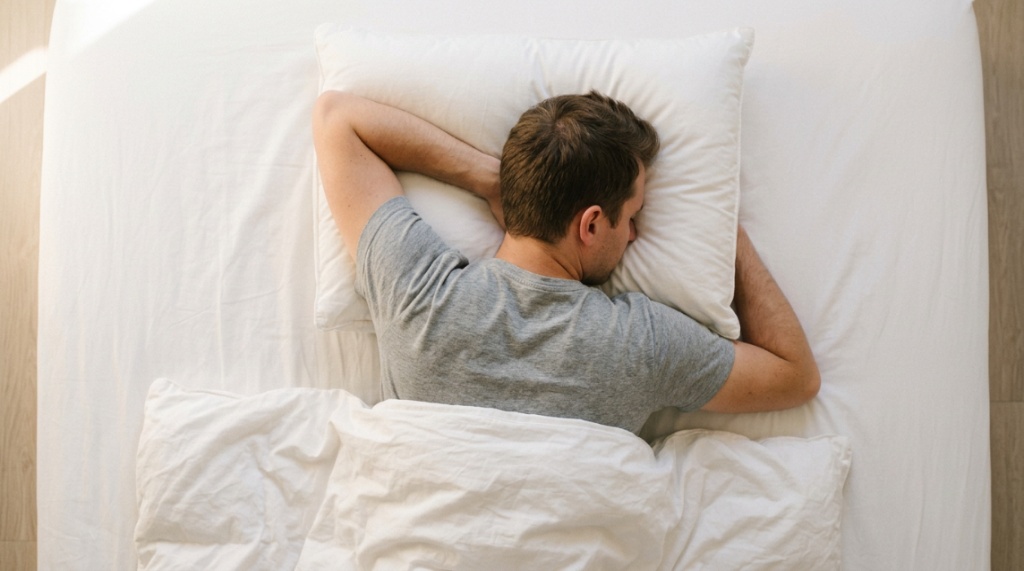
You wake up with a stiff, aching neck. Again. You roll over, rub the sore spot, and wonder why your stomach-sleeping habit is punishing you every morning. If this sounds familiar, you’re not alone. Stomach sleeping is one of the most common sleeping positions, but it’s also the most demanding on your cervical spine. The problem is simple: when you sleep on your stomach, your neck is twisted to one side for hours, compressing nerves and straining muscles. The solution starts with understanding how your sleep setup, especially your pillow, contributes to the pain. This guide will show you exactly how to fix that morning misery using practical, proven adjustments.
What Makes Stomach Sleeping So Hard on Your Neck?
The Anatomy of a Stomach Sleeper’s Problem
When you lie on your stomach, your head naturally turns to one side to allow breathing. This rotation places your cervical spine in an awkward, extended rotation for six to eight hours. The joints, ligaments, and muscles on one side of your neck are stretched, while the other side is compressed. Over time, this repeated strain leads to inflammation, muscle spasms, and chronic neck pain.
Why Traditional Pillows Make It Worse
Standard pillows are designed for back or side sleepers. They’re too thick for stomach sleepers. A thick pillow elevates your head and neck at a sharp angle, increasing the strain on your cervical vertebrae. Instead of supporting the natural curve of your spine, a high-loft pillow forces your neck into an extreme twist. The result is morning stiffness that can radiate into your shoulders and upper back.
How Sleep Posture Affects Overall Spinal Alignment
Your spine is a connected chain. A misalignment in your neck affects your thoracic and lumbar spine. Stomach sleepers often arch their lower back to accommodate the twisted neck, leading to lower back pain as well. Correcting your pillow and sleep surface can restore alignment from your skull to your tailbone.
What Is the Best Pillow for Stomach Sleepers with Neck Pain?
Low-Loft Pillows Are Non-Negotiable
The ideal pillow for a stomach sleeper is extremely thin, typically 2 to 4 inches thick when compressed. A low-loft pillow keeps your head and neck in a neutral position, avoiding the upward tilt that strains your spine. Many stomach sleepers find that a soft, flat pillow or even no pillow at all provides the best relief.
Materials That Offer Support Without Height
Look for pillows made from shredded memory foam, latex, or down alternative. Shredded memory foam molds to your head shape while keeping the loft low. Latex offers responsive support without sinking too deeply. Down alternative pillows are soft and breathable, but they tend to flatten quickly, so you may need to replace them more often. Choose a material that balances cushioning and support without adding height.
How to Use a Neck Pain Stomach Sleeping Pillow Effectively
Even the best low-profile pillow won’t work if you don’t use it correctly. Place the pillow under your head and neck, not under your shoulders. Your forehead should be nearly touching the mattress. If you feel any backward tilt in your chin, the pillow is too high. Some stomach sleepers benefit from a pillow that is thinner on one side, allowing you to alternate the direction you face each night.
Can Sleeping Without a Pillow Help Stomach Sleepers?
The Case for a Pillow-Free Night
For some stomach sleepers, sleeping without a pillow can reduce neck pain. With no pillow, your neck and spine can rest in a more neutral, flat line. This eliminates the twist caused by a thick pillow and reduces pressure on the cervical joints. Many people report less morning stiffness after a week of pillow-free sleeping.
When No Pillow Is a Bad Idea
Sleeping without a pillow is not for everyone. If you have a larger frame, broad shoulders, or a thick neck, a completely flat surface can cause your neck to hyperextend. This can also lead to strain. The best approach is to experiment. Try using a very thin pillow for a few nights, then try no pillow. Compare how you feel each morning.
How to Transition Safely
If you’re used to a fluffy pillow, going cold turkey may cause discomfort. Start by using a thinner pillow for a week. Then, switch to a folded towel or a specialized low-profile travel pillow. Gradually reduce the height until you find the sweet spot where your neck feels relaxed and pain-free.
How to Adjust Your Sleep Environment to Reduce Neck Strain
Choose the Right Mattress Firmness
A mattress that is too soft allows your hips and shoulders to sink, causing your spine to curve unnaturally. For stomach sleepers, a medium-firm to firm mattress is ideal. It keeps your hips from dipping and maintains a straight spinal line from your neck to your pelvis. If your mattress is too soft, consider a mattress topper that adds firmness.
The Role of Your Sleep Position During the Night
Your body shifts positions throughout the night. You may start on your stomach but roll onto your side without realizing it. To maintain proper alignment, use a body pillow. Place it under your chest and hips to reduce the twist in your neck. This can also prevent you from fully rolling onto your stomach.
Morning Stretches to Counteract Nighttime Strain
Even with the perfect pillow, some stiffness is normal. Spend two minutes each morning doing gentle neck stretches. Slowly tilt your head to each shoulder, hold for 15 seconds, and repeat. Chin tucks are also effective: pull your chin straight back as if making a double chin, hold for five seconds, and release. These moves restore mobility and reduce lingering pain.
Which Sleeping Position Is Actually Best for Neck Health?
Why Back Sleeping Wins for Spinal Alignment
Sleeping on your back is the gold standard for neck health. It keeps your spine in a neutral position without any rotation. If you can train yourself to sleep on your back, you’ll likely experience the most relief from chronic neck pain. Use a contoured cervical pillow that supports the curve of your neck.
Side Sleeping as a Compromise
If back sleeping feels impossible, side sleeping is a good alternative. It keeps your spine straight as long as your pillow height matches your shoulder width. Side sleepers need a thicker pillow than stomach sleepers, typically 5 to 6 inches. Place the pillow between your shoulder and ear for proper alignment.
How to Gradually Change Your Sleeping Position
Changing your sleep position takes patience. Use a body pillow or a rolled towel behind your back to prevent rolling onto your stomach. You can also sew a tennis ball into the front of a pajama top to gently discourage stomach sleeping. Over several weeks, your body can adapt to a healthier posture.
How to Choose the Right Pillow for a Stomach Sleeper with Neck Pain
Features to Look For in a Stomach Sleeping Pillow
- Loft height: 2 to 4 inches maximum
- Fill material: Shredded memory foam, latex, or down alternative
- Firmness: Soft to medium-soft
- Shape: Traditional rectangular or contoured with a low profile
- Breathability: Cooling covers or gel-infused foam to prevent overheating
The Best Pillow Types for Stomach Sleepers
| Pillow Type | Best For | Pros | Cons |
|---|---|---|---|
| Shredded Memory Foam | Adjustable loft, contouring | Molds to head shape, breathable | Can lose shape over time |
| Latex | Responsive support, durability | Bouncy, hypoallergenic, long-lasting | More expensive, heavier |
| Down Alternative | Softness, affordability | Soft, washable, lightweight | Flattens quickly, less support |
| Contoured Cervical Pillow | Targeted neck support | Supports curve, reduces pressure | May feel awkward for stomach sleepers |
How to Test a Pillow Before Buying
If possible, visit a store and lie on your stomach with the pillow. Your head should not tilt upward. Simulate your natural sleep position. If you feel any neck strain, the pillow is too thick. Many online retailers offer trial periods of 30 to 100 days. Take advantage of these trials to find the perfect fit without financial risk.
Why Your Pillow May Not Be the Only Culprit
Workstation Ergonomics and Neck Pain
Your daytime habits contribute to nighttime pain. If you spend hours hunched over a computer, your neck muscles are already tight and fatigued. When you add a poor sleeping posture, the strain compounds. Adjust your workstation so your screen is at eye level. Take frequent breaks to stretch your neck and shoulders.
Stress and Sleep Quality
Stress causes muscle tension, especially in the neck and shoulders. If you’re stressed during the day, you’re more likely to clench your jaw or hunch your shoulders while sleeping. Practice relaxation techniques before bed, such as deep breathing or progressive muscle relaxation. A calm body is less prone to overnight tension. If you are a new mother dealing with posture and feeding discomfort, check out our guide on the Best Nursing Pillows for Comfortable Breastfeeding to find ergonomic support.
When to See a Doctor or Physical Therapist
If neck pain persists for more than two weeks despite making changes, consult a healthcare professional. Chronic neck pain can indicate underlying issues like herniated discs, arthritis, or nerve compression. A physical therapist can teach you targeted exercises to strengthen supporting muscles and improve flexibility. Don’t ignore persistent pain.
How to Maintain a Healthy Sleep Routine as a Stomach Sleeper
Create a Consistent Sleep Schedule
Going to bed and waking up at the same time every day regulates your body’s internal clock. Consistent sleep improves sleep quality, which helps your muscles recover overnight. Aim for 7 to 9 hours of uninterrupted sleep.
Use Proper Pillow Hygiene
Pillows accumulate dust mites, dead skin, and bacteria over time. Wash your pillowcase weekly and the pillow itself every three to six months. Replace your pillow every 1 to 2 years, or sooner if it loses its shape. A clean, supportive pillow reduces the risk of allergies and maintains proper neck support.
Listen to Your Body
Your needs may change as you age or if you experience weight fluctuations. Reassess your pillow and sleeping position every few months. If you notice new pain, adjust your setup. Flexibility and self-awareness are key to long-term neck health.
Frequently Asked Questions
Can stomach sleeping cause permanent neck damage?
While occasional stomach sleeping is unlikely to cause permanent damage, chronic poor posture during sleep can lead to degenerative changes in the cervical spine over time. Persistent strain on joints and discs may accelerate conditions like arthritis or herniated discs. Correcting your sleep setup early is crucial.
What is the ideal pillow height for a stomach sleeper?
The ideal pillow height for a stomach sleeper is 2 to 4 inches when compressed. Your head should not tilt backward or sideways. A pillow that keeps your neck in a neutral, straight line with your spine is best. Use a low-profile pillow or a folded towel as a starting point.
Should stomach sleepers use a contoured cervical pillow?
Contoured cervical pillows are typically designed for back sleepers. However, some low-profile contoured pillows can work for stomach sleepers if the loft is minimal. Look for a contoured pillow with a very low center and soft fill. Test it at home before committing to a purchase.
How can I train myself to stop sleeping on my stomach?
Use a body pillow placed behind your back to prevent rolling onto your stomach. You can also place a pillow under your knees to make stomach sleeping less comfortable. Over a few weeks, your body may naturally prefer side or back sleeping. Be patient and consistent.
Are memory foam pillows good for stomach sleepers?
Shredded memory foam pillows can work well for stomach sleepers because they offer adjustable loft. Solid memory foam pillows are often too thick and cause neck strain. Choose a shredded memory foam pillow that allows you to remove filling to achieve a lower profile.
Can neck pain from stomach sleeping be fixed without a new pillow?
Yes, some people find relief by sleeping without a pillow or by using a rolled towel under their neck. Adjusting your mattress firmness or using a body pillow can also help. However, a dedicated low-profile pillow is often the most effective solution for long-term relief.
What stretches relieve neck pain after stomach sleeping?
Gentle neck tilts, chin tucks, and shoulder rolls are effective. Start with chin tucks: sit up straight, pull your chin directly back, hold for five seconds, and repeat 10 times. Then, slowly tilt your head toward each shoulder, holding for 15 seconds. These stretches reduce stiffness and improve mobility.
Conclusion
Stomach sleeping doesn’t have to mean waking up with a stiff, painful neck. The key lies in understanding how your sleep posture and pillow choices affect your cervical spine. By switching to a low-loft pillow that keeps your head and neck in a neutral position, you can dramatically reduce morning discomfort. Combine this with a supportive mattress, consistent sleep habits, and simple daily stretches for lasting relief. Your body deserves rest that restores rather than strains. Start tonight by evaluating your pillow height and giving yourself the gift of pain-free mornings. Small changes lead to big results.