






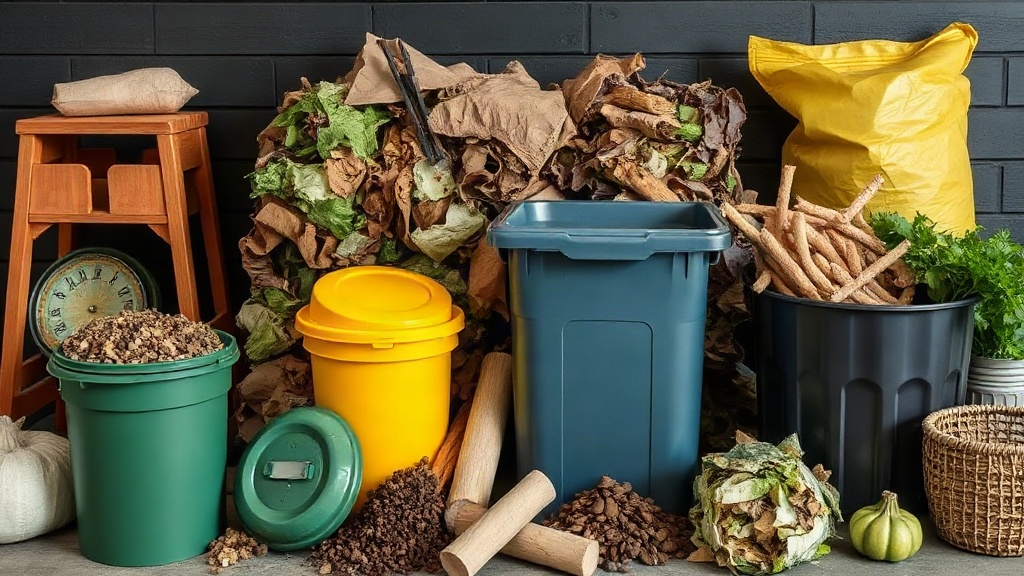
You’ve got a bag of coffee grounds, a pile of dead leaves, and a spot behind the garage that might work. Now comes the tumbler vs pile vs bin question, and the answer depends less on gear than on your time, space, and tolerance for mess. All three methods turn kitchen scraps and yard waste into dark, crumbly compost; they differ in how much effort they demand and how fast they produce. If you’re also tightening up other parts of your routine, these green living tips can help you cut waste before it ever reaches the heap. This guide breaks down each approach honestly, so you can pick one that actually suits your yard and your habits.
Quick answer: Choose a bin if you want tidy, low-effort composting in a small space, a pile if you have room and generate lots of yard waste, and a tumbler if you want faster batches and don’t mind turning a handle. Each method works well when you balance greens and browns, keep the material as damp as a wrung-out sponge, and give it air.
Our picks at a glance
Speed, space, and effort separate these three more than anything else. A tumbler is the fastest small-batch option for most households. A pile handles volume and yard debris with almost no upfront cost. A bin sits in the middle: contained, tidy, and forgiving. The comparison below summarizes how each method typically behaves. Notice that the trade-offs run in opposite directions—convenience costs money, and low cost costs effort.
Comparison: tumbler vs pile vs bin at a glance
| Factor | Tumbler | Pile | Bin |
|---|---|---|---|
| Speed to finished compost | Fast—often 2–3 months with regular turning | Moderate to slow—6–12 months | Moderate—3–6 months with turning |
| Upfront cost | Highest (buy or build) | Lowest (often free) | Low to moderate |
| Space needed | Small footprint | Large | Small |
| Effort | Turn a handle every few days | Turn with a fork monthly | Turn occasionally with a fork |
| Capacity per batch | Limited | High, or unlimited | Moderate |
| Pest and odor control | Good when sealed and balanced | Fair—depends on management | Good when lidded |
| Best for | Small yards, quick results | Large lots, leaf and garden waste | Beginners, tidy spaces |
Tumbler: best for speed and small spaces
A tumbler wins when you want finished compost quickly and have limited room. Sealed drums hold heat and moisture better than open piles and keep rodents out. The catch is capacity: most home units process only a batch or two at a time, so you may need to store scraps while one batch finishes. Turning the drum is easy, but you must do it regularly for the speed advantage to hold up.
Pile: best for volume and low cost
An open pile costs nothing but space and accepts almost anything you rake up. Leaves, grass clippings, garden trimmings, and kitchen scraps all break down without a container. The trade-off is appearance and control: piles look untidy, dry out at the edges, and can attract animals if you bury food scraps carelessly. Turning with a garden fork once a month keeps a pile working reasonably well.
Bin: best for tidy, forgiving composting
A lidded bin—often a simple plastic or wooden box open at the bottom—combines containment with a low price. It hides scraps, discourages pests, and fits along a fence line or behind a shed. You turn the contents with a fork rather than a crank, so aeration takes more muscle than a tumbler. For most first-time composters, that balance of cost, tidiness, and effort feels comfortable.
The list
Here are the three methods ranked by how likely they are to suit a typical household, from strongest all-around pick to most narrow. Each earns its place for a different reason, so read them as answers to different situations rather than as a strict hierarchy.
1. The bin: the most dependable starting point
Most households should start with a bin. It gives you a defined spot, keeps rain from waterlogging the contents, and hides the messy phase of decomposition. A bin holds a useful volume—often around a cubic meter—which is enough to generate heat and break material down within a few months. You do need to add browns and turn the contents every couple of weeks. Set it on bare soil so worms and microbes can move in from below, and keep a lid on to control moisture and odors.
2. The open pile: the cheapest way to handle big volume
If you rake leaves every fall or prune a large garden, a pile is hard to beat. You can build one in an afternoon from pallets or wire fencing, and it costs little beyond that. The secret to a good pile is layering browns and greens and shaping it so the center stays moist. Turn it with a fork to move outer material inward. Piles suit larger properties where an untidy corner is acceptable and where you have plenty of carbon-rich material to balance kitchen scraps.
3. The tumbler: the fastest route for small batches
A tumbler suits households with a small yard and a steady supply of kitchen scraps. The sealed drum keeps pests out and turning is quick. If you’d rather build than buy, a homemade compost tumbler can deliver the same speed benefit for less money. Plan for the batch limitation: load the drum fully, keep the mix balanced, and turn it every few days. That routine is what produces finished compost in a couple of months rather than a year.
How to choose the right option
Answer four practical questions before you buy or build anything. Each one narrows the field quickly, and the honest answer often points to one method over the others.
How much space can you spare?
Space is the first filter. A tumbler or bin needs only a few square feet, while a pile wants room to spread—roughly a cubic yard to work efficiently. If your yard is small or shared, restrict yourself to a container. If you have a back corner near a fence, a pile may fit fine.
How fast do you want finished compost?
Expect a tumbler to finish a batch in two to three months with regular turning. A bin typically takes three to six months, and a pile may need six to twelve months depending on material size and turning. Faster results demand more frequent aeration, so speed depends on your consistency more than the container alone.
How much effort will you actually put in?
Be honest about your routine. A tumbler makes turning nearly effortless—a few rotations every few days. A bin asks for a fork and a few minutes every week or two. A pile tolerates neglect but rewards regular turning. The best method is the one you will keep up with during a busy month.
What will you put in it?
Kitchen scraps, coffee grounds, grass clippings, and soft garden trimmings are "greens." Dry leaves, straw, cardboard, and sawdust are "browns." Aim for roughly two or three parts browns to one part greens by volume. A pile handles bulky yard waste best; a tumbler or bin suits food scraps mixed with a steady supply of browns.
Store a bag of dry leaves or shredded cardboard next to your bin or tumbler. Adding a handful each time you add scraps keeps odors down and saves trips across the yard.
FAQ
Is a tumbler worth the extra cost over a bin?
For small households that want fast results and hate turning with a fork, yes. A tumbler earns its price by speeding up decomposition and keeping pests out. If you generate lots of yard waste or prefer low cost, a bin or pile serves you better. Match the tool to your volume and habits.
Can I compost in a bin without turning it?
You can, but decomposition slows and the bin may turn anaerobic, which causes a sour smell. Turning once every week or two introduces oxygen and keeps the process working. A tumbler makes that job easier, which is why some people switch to one after a few seasons with a static bin.
How often should I turn a pile?
Turn a pile about once a month with a garden fork, moving material from the outside toward the center. More frequent turning speeds things up, while less frequent turning just takes longer. Never turn so often that the pile loses heat and dries out.
What causes a smelly compost pile?
Too many greens, too much moisture, and too little air cause the smell. Fix it by adding browns, turning the material, and keeping the lid off briefly to dry out. A healthy pile smells earthy, not sour. If it stinks, rebalance rather than abandon the batch.
Where should I place my composter?
Put it on bare soil in partial shade, ideally near a water source and not against a wooden structure. A spot out of direct afternoon sun helps retain moisture. Keep it within easy reach of your kitchen door so you actually use it.
Conclusion
Choosing between a tumbler vs pile vs bin comes down to matching the method to your space, volume, and patience. A bin offers the most dependable start for most households, a pile handles large volumes of yard waste for almost no cost, and a tumbler delivers fast batches in tight quarters. All three demand the same basics: balanced greens and browns, steady moisture, and enough air. Pick the option you will genuinely maintain, set it up on bare soil this weekend, and add your first layer of browns before the next batch of scraps arrives.