







Introduction
Understanding the U-factor of your windows is crucial for maintaining a comfortable and energy-efficient home. While many homeowners focus on the static U-factor rating provided by manufacturers, the reality is far more nuanced. This article delves into the often-overlooked aspect of seasonal variability in window U-factors, exploring how temperature fluctuations impact thermal performance and what you can do to optimize your windows for year-round comfort. Additionally, we will introduce the concept of “decoding window u-factor,” which helps clarify the complexities behind these ratings. We’ll examine the underlying physics, discuss practical implications, and equip you with the knowledge to make informed decisions about your window investments.
Unlocking Energy Efficiency: Why the U-Factor Matters for Your Windows
The U-factor, often expressed in units of BTU/hr·ft²·°F (or W/m²·K in metric), quantifies the rate of heat transfer through a window assembly. Simply put, it measures how effectively a window resists heat flow. A lower U-factor signifies better insulation, meaning less heat escapes during winter and less heat enters during summer. This metric is a cornerstone of energy efficiency assessments, influencing heating and cooling costs significantly. The standardized U-factor rating is typically determined under laboratory conditions. It measures the temperature difference between the interior and exterior of the window. These controlled settings often overlook the dynamic nature of real-world temperature fluctuations. These variations significantly impact a window’s true performance.
Seasonal Shifts in Window U-Factors: Unpacking the Temperature-Driven Dynamics of Heat Transfer
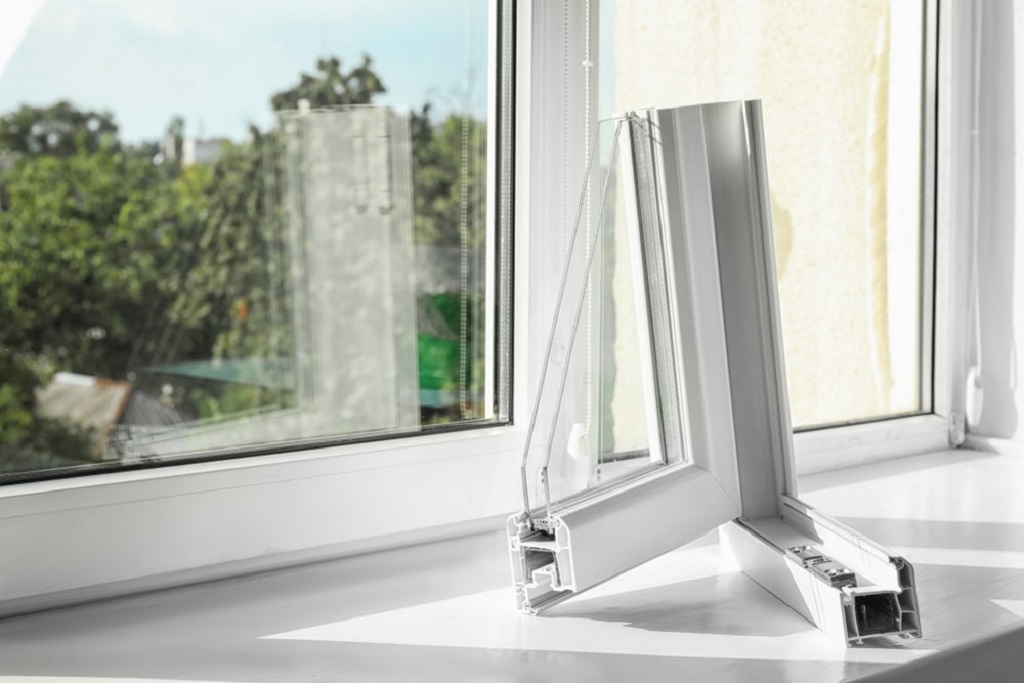
The concept of seasonal variability in window U-factors arises from the inherent temperature dependence of heat transfer mechanisms. Heat transfer through a window occurs via three primary pathways: conduction, convection, and radiation. Conduction involves the transfer of heat through the solid materials of the window, such as the glass, frame, and spacers. Convection refers to heat transfer through the movement of fluids, such as air or gases, within the window assembly. This process occurs mainly in the air gaps between glass panes in insulated glazing units (IGUs). Radiation involves the transfer of heat through electromagnetic waves, primarily in the infrared spectrum. Each of these mechanisms is influenced by temperature, leading to variations in the overall U-factor across different seasons.
How Temperature Swings Impact Convection in IGUs: The Hidden Dynamics of Heat Transfer
Consider the impact of temperature on convection within an IGU. The air or gas fill between the glass panes acts as an insulating barrier, reducing heat transfer. However, the density and viscosity of this gas change with temperature. In colder temperatures, the gas becomes denser, leading to increased convective heat transfer. Conversely, in warmer temperatures, the gas becomes less dense, reducing convective heat transfer. This dynamic interplay between temperature and gas properties leads to a fluctuating convection component of the U-factor. The temperature difference between the interior and exterior surfaces of the glass panes influences convective heat transfer. This difference drives the magnitude of the heat transfer. Larger temperature differences, typically observed during extreme weather conditions, result in greater convective heat flow.
Temperature-Driven Radiative Heat Transfer: How Windows Lose and Gain Heat—and the Role of Low-E Coatings
Radiation heat transfer also exhibits temperature dependence. All objects emit thermal radiation, and the amount of radiation emitted is proportional to the fourth power of their absolute temperature (Stefan-Boltzmann Law). Consequently, warmer objects radiate more heat than colder objects. In the context of windows, the glass surfaces radiate heat to each other and to the surrounding environment. The temperature difference between the glass surfaces and the surrounding air influences the rate of radiative heat transfer. During winter, the colder exterior glass surface radiates heat to the interior, contributing to heat loss. Conversely, during summer, the warmer exterior glass surface radiates heat to the interior, contributing to heat gain. The application of low-emissivity (low-E) coatings on glass surfaces can significantly reduce radiative heat transfer, but the effectiveness of these coatings can also be influenced by temperature.
Frame Material Matters: How Thermal Conductivity Impacts Window Performance Across Seasons
The frame material of a window also plays a role in seasonal U-factor variability. Different frame materials, such as wood, vinyl, fiberglass, and aluminum, have varying thermal conductivities. Aluminum, for instance, is a highly conductive material, making it susceptible to significant heat transfer, particularly during extreme temperatures. Vinyl and fiberglass frames offer better insulation properties, reducing heat transfer and minimizing seasonal variations. Wood frames, while offering good insulation, can be affected by moisture and temperature fluctuations, potentially leading to changes in their thermal performance over time. The thermal bridging effect, where heat flows through highly conductive components of the frame, can also contribute to seasonal U-factor variations.
Optimizing Window Design: How Temperature Impacts Insulation Performance

The design of the window, including the number of glass panes, the type of gas fill, and the width of the air gap, influences its U-factor and its sensitivity to temperature variations. Double-pane windows with low-E coatings and argon or krypton gas fills offer significantly better insulation than single-pane windows. However, the effectiveness of these features can vary with temperature. The optimal air gap width for minimizing convective heat transfer is also temperature-dependent. Therefore, the design parameters that provide optimal performance under standard testing conditions may not necessarily provide the same level of performance under extreme seasonal conditions.
Shedding Light on Solar Heat: How Window Orientation and SHGC Impact Seasonal U-Factors
The impact of solar radiation on window U-factors is another critical aspect of seasonal variability. Solar heat gain, particularly during summer, can significantly increase the temperature of the glass surfaces, leading to increased heat transfer to the interior. The solar heat gain coefficient (SHGC) quantifies the amount of solar radiation that passes through a window and is absorbed as heat. Windows with low SHGC values are more effective at blocking solar heat gain, reducing the impact of solar radiation on the U-factor. The angle of incidence of solar radiation also influences the amount of heat absorbed by the window. Therefore, the orientation of the window and the time of day can significantly affect its solar heat gain and, consequently, its U-factor.
Mastering Seasonal U-Factor Variability: Smart Strategies for Year-Round Energy Efficiency and Comfort
Practical implications of seasonal U-factor variability are significant for homeowners seeking to optimize energy efficiency and comfort. During winter, a higher U-factor due to increased convective and radiative heat transfer can lead to significant heat loss, increasing heating costs. Conversely, during summer, a higher U-factor due to increased solar heat gain can lead to increased cooling costs. Understanding these variations allows homeowners to take proactive measures to mitigate their impact. For example, using appropriate window coverings, such as insulated curtains or blinds, can help reduce heat transfer during both winter and summer. Exterior shading devices, such as awnings or trees, can also help block solar radiation during summer, reducing solar heat gain.
Smart Windows for Every Climate: Boost Energy Efficiency with the Right Design Choices
Furthermore, selecting windows with appropriate design parameters for the local climate is crucial. In colder climates, windows with lower U-factors and higher SHGC values may be preferred to maximize solar heat gain during winter and minimize heat loss. In warmer climates, windows with lower U-factors and lower SHGC values are essential to minimize solar heat gain and reduce cooling costs. Advanced window technologies, such as dynamic glazing systems that adjust their optical properties in response to temperature or sunlight, offer promising solutions for optimizing window performance across different seasons.
Seal the Deal: Proper Window Installation and Maintenance for Peak Thermal Performance
The importance of proper installation and maintenance cannot be overstated. Air leakage around windows can significantly increase heat transfer and exacerbate seasonal U-factor variations. Ensuring that windows are properly sealed and caulked can help minimize air leakage and maintain optimal thermal performance. Regular maintenance, such as cleaning the glass surfaces and inspecting the frame for damage, can also help ensure that windows continue to perform as intended.
Dynamic Windows: Mastering Seasonal U-Factor Variability for Ultimate Energy Efficiency and Comfort
In summary, the U-factor of a window is not a static value but rather a dynamic parameter that varies with temperature and other environmental factors. Understanding seasonal U-factor variability is essential for optimizing energy efficiency and comfort. By considering the impact of temperature on heat transfer mechanisms, selecting appropriate window designs, and implementing effective mitigation strategies, homeowners can minimize the impact of seasonal variations and create more comfortable and energy-efficient living spaces.
People Also Ask (FAQs):
-
Q: What is the difference between U-factor and R-value?
- A: U-factor measures the rate of heat transfer through a window, while R-value measures the resistance to heat flow. A lower U-factor and a higher R-value indicate better insulation. They are inverse of each other.
-
Q: How does humidity affect window U-factor?
- A: High humidity can increase convective heat transfer within the air gaps of IGUs, potentially leading to a slightly higher U-factor. Condensation on window surfaces can also reduce insulation performance.
-
Q: Can window films help with seasonal U-factor variability?
- A: Yes, window films, particularly those with low-E coatings, can help reduce radiative heat transfer and solar heat gain, mitigating seasonal variations in U-factor.
-
Q: Are triple-pane windows better for all climates?
- A: Triple-pane windows generally offer better insulation than double-pane windows, but they may not be cost-effective in all climates. In milder climates, the additional cost may not justify the energy savings.
-
Q: How do I find the actual U-factor of my windows in different seasons?
- A: While precise measurement requires specialized equipment, you can estimate seasonal variations by considering the temperature differences between the interior and exterior, the window’s design parameters, and the local climate. Energy modeling software can also provide more accurate estimations.
Conclusion:
The seasonal variability of window U-factors is a critical factor in achieving optimal energy efficiency and comfort. Understanding the physics of heat transfer and the impact of temperature variations enables homeowners to make informed decisions. This knowledge helps with window selection, installation, and maintenance. Implementing strategies to mitigate seasonal variations, such as using appropriate window coverings and shading devices, can greatly enhance energy efficiency. This approach helps to reduce heating and cooling costs significantly. As technology advances, innovative solutions like dynamic glazing systems are emerging. These systems will further enhance our ability to optimize window performance across different seasons. Embracing a holistic approach to window design and management allows for more sustainable living spaces. This approach also fosters greater comfort for the future.
Read More: