Introduction: Why Clean Water Matters More Than Ever
Access to clean, safe drinking water is no longer just a basic necessity—it’s a cornerstone of modern living. With growing concerns about water contamination, aging infrastructure, and environmental pollutants, ensuring the water you use for cooking, drinking, and cleaning is pure has never been more critical. Enter the water filtration system, a game-changing solution that promises to transform your kitchen into a hub of health and sustainability. The benefits of installing a water filtration system include improved water taste and quality, reduced exposure to harmful contaminants, and a more eco-friendly alternative to bottled water, all while promoting better overall health and peace of mind.
In this comprehensive guide, we’ll explore the undeniable benefits of installing a water filtration system in the kitchen . From boosting your family’s health to saving money on bottled water, we’ll cover everything you need to know. Plus, we’ll include expert opinions, real-world statistics, pros and cons, and actionable FAQs to help you make an informed decision. Let’s dive in.
Section 1: Health Benefits of Clean Water from Your Kitchen Tap
1.1: Protection Against Harmful Contaminants
Did you know that tap water can contain harmful contaminants like lead, chlorine, pesticides, and even microplastics? According to the Environmental Working Group (EWG), over 300 pollutants have been detected in U.S. tap water, many of which are unregulated. A high-quality water filtration system removes these impurities, providing cleaner, safer water for your family.
For instance, reverse osmosis systems can eliminate up to 99% of contaminants , including heavy metals like lead, which is especially dangerous for children. This peace of mind is invaluable for parents and health-conscious individuals alike.
1.2: Improved Hydration and Overall Well-Being
Clean, great-tasting water encourages better hydration habits. Studies show that people who drink filtered water are more likely to meet their daily water intake goals compared to those relying on tap or bottled water. Proper hydration supports digestion, skin health, and cognitive function, making it a cornerstone of overall well-being.
Expert Insight : Dr. Mark Hyman, a renowned functional medicine doctor, emphasizes that “filtered water ensures you’re not consuming toxins that could disrupt your body’s natural balance.”
Section 2: Cost Savings Over Time
2.1: Cutting Down on Bottled Water Expenses
The average American household spends over $300 annually on bottled water. Multiply that by several years, and the costs add up significantly. By installing a water filtration system, you eliminate the need for single-use plastic bottles, saving both money and the environment.
Real-Life Example : Sarah, a mother of two from California, installed an under-sink filtration system last year. She reports saving over $400 in bottled water expenses within 12 months.
2.2: Long-Term Investment vs. Short-Term Costs
While the upfront cost of a filtration system may seem daunting (ranging from $200 to $1,500 depending on the type), the long-term savings are undeniable. Maintenance costs, such as replacing filters, are minimal compared to ongoing bottled water purchases. Additionally, some systems increase your home’s resale value—a bonus if you’re planning to sell in the future.
Pro Tip : Look for Energy Star-rated systems to maximize efficiency and reduce electricity costs.
Section 3: Enhanced Taste and Cooking Quality
3.1: Better-Tasting Water
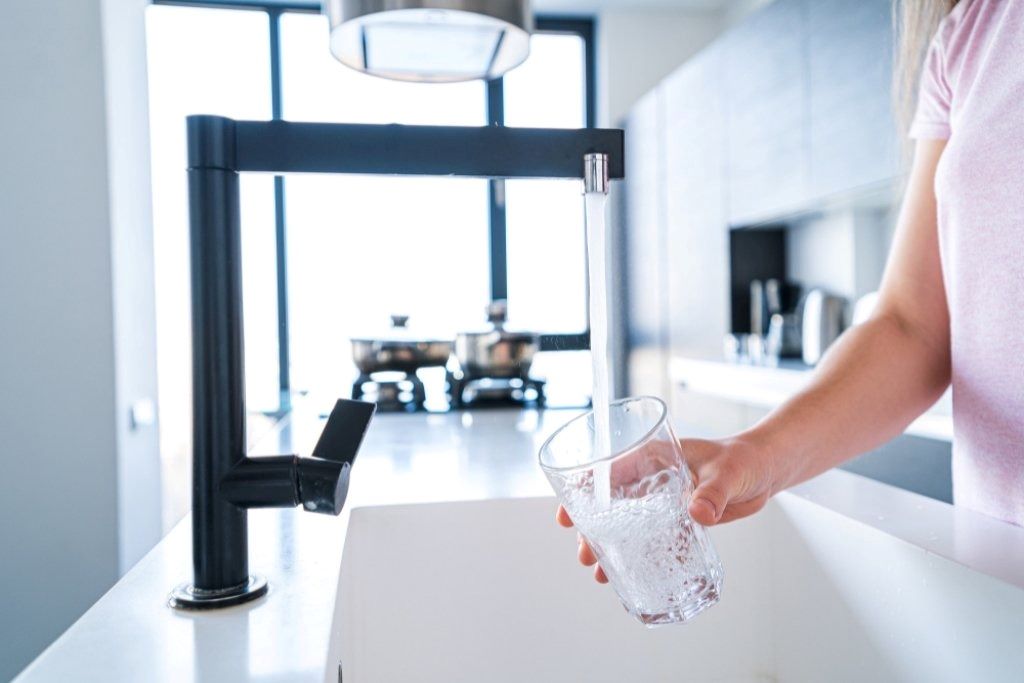
Chlorine, a common disinfectant used in municipal water treatment, often leaves an unpleasant taste and odor. A carbon-based filtration system removes chlorine, resulting in crisp, refreshing water that tastes as good as—or better than—bottled varieties.
Fact Check : A study published in the Journal of Environmental Science and Health found that households with filtration systems reported a 78% improvement in water taste satisfaction.
3.2: Elevating Your Culinary Creations
Filtered water isn’t just for drinking—it also enhances the flavor of your food. Whether you’re brewing coffee, making soups, or boiling pasta, using pure water ensures your dishes taste their best. Professional chefs swear by filtered water for its ability to bring out the natural flavors of ingredients without interference from contaminants.
Section 4: Environmental Impact
4.1: Reducing Plastic Waste
Plastic pollution is one of the biggest environmental challenges of our time. By eliminating the need for single-use plastic bottles, a water filtration system helps reduce your carbon footprint. It’s estimated that switching to filtered water can prevent hundreds of pounds of plastic waste per household annually.
4.2: Conserving Resources
Beyond plastic reduction, filtration systems conserve resources like oil and water used in the production of bottled water. For example, it takes approximately three liters of water to produce one liter of bottled water . By filtering at home, you contribute to a more sustainable planet.
Section 5: Convenience and Ease of Use
5.1: No More Trips to the Store
Imagine never having to lug heavy cases of bottled water from the grocery store again. With a filtration system, fresh, clean water is always available right at your fingertips.
5.2: Low Maintenance Solutions
Modern filtration systems are designed for ease of use. Many models come with indicator lights or alarms that notify you when it’s time to change the filter, ensuring hassle-free operation.
Pros and Cons of Installing a Water Filtration System
Pros:
- Removes harmful contaminants.
- Saves money in the long run.
- Improves water taste and quality.
- Reduces environmental impact.
- Increases property value.
Cons:
- Initial installation cost can be high.
- Requires periodic filter replacements.
- Some systems may require professional installation.
Beyond the Box: How to Transform Stovetop Stuffing into a Culinary Masterpiece
FAQs About Water Filtration Systems
What types of water filtration systems are available?
There are several types of water filtration systems, each designed to address specific needs:
-
- Activated Carbon Filters : Remove chlorine, sediment, and organic compounds to improve taste and odor.
- Reverse Osmosis (RO) : Eliminates up to 99% of contaminants, including heavy metals, fluoride, and microplastics.
- UV Purification : Uses ultraviolet light to kill bacteria and viruses.
- Whole-House Systems : Filter water for the entire home, not just the kitchen.
- Countertop or Faucet-Mounted Filters : Affordable and easy-to-install options for renters or smaller households.
How often do I need to replace the filters?
The frequency depends on the type of system, water quality, and usage. Most manufacturers recommend replacing filters every 6-12 months , but heavily used systems or those in areas with poor water quality may require more frequent changes. Always check the manufacturer’s guidelines for specifics.
Can a filtration system remove fluoride?
Not all systems can remove fluoride. Reverse osmosis and certain specialized carbon filters are effective at reducing fluoride levels. If fluoride removal is a priority, ensure the system you choose explicitly states this capability.
Is filtered water safer than bottled water?
Yes, filtered water is generally safer. Bottled water is not always regulated as strictly as tap water, and studies have shown that many brands contain microplastics and other contaminants. A high-quality filtration system ensures consistent purity and eliminates the environmental impact of plastic bottles.
Will a filtration system work with hard water?
Filtration systems alone won’t soften hard water, which contains high levels of calcium and magnesium. However, you can pair a filtration system with a water softener to address both hardness and contamination issues. Alternatively, some advanced systems combine filtration and softening capabilities.
Do I need professional installation for a water filtration system?
It depends on the system. Countertop and faucet-mounted filters are DIY-friendly, while under-sink, whole-house, or reverse osmosis systems often require professional installation to ensure proper setup and performance.
How much does a water filtration system cost?
Costs vary widely based on the type and complexity of the system:
Basic faucet or pitcher filters: $20-$50
Under-sink systems: $150-$500
Reverse osmosis systems: $200-$1,500
Whole-house systems: $800-$3,000
Remember to factor in ongoing maintenance costs like filter replacements.
Can a water filtration system save me money in the long run?
Absolutely. While the upfront cost may seem high, the savings from eliminating bottled water purchases and reducing potential healthcare costs due to contaminated water make it a smart investment. Over time, most households save hundreds of dollars annually.
Does a water filtration system affect water pressure?
Some systems, particularly reverse osmosis, may slightly reduce water pressure because they involve multiple filtration stages. However, modern systems are designed to minimize this impact, and pre-filtration components can help maintain optimal flow rates.
Are water filtration systems environmentally friendly?
Yes, they are significantly more eco-friendly than relying on bottled water. By reducing plastic waste and conserving resources like oil and water used in bottle production, filtration systems contribute to a healthier planet. Additionally, many filters are recyclable or made from sustainable materials.
Conclusion: Transform Your Kitchen Today
Installing a water filtration system in your kitchen is more than just a home upgrade—it’s an investment in your health, wallet, and the planet. With countless benefits ranging from contaminant removal to cost savings, there’s no reason to delay making the switch.
Ready to enjoy cleaner, tastier water? Explore the options available today and take the first step toward a healthier, more sustainable lifestyle.
Read More:
Shadow Storm Quartzite: Drama and Durability in Your Kitchen