







Selecting the right range hood can dramatically improve your cooking experience and kitchen environment. A 30-inch model fits most standard stoves perfectly, making it the most popular size among homeowners. However, choosing the best option requires understanding various features, installation types, and performance factors. This guide will walk you through everything you need to know to make an informed decision.
Why Kitchen Ventilation Matters
Proper ventilation is essential for maintaining a healthy and comfortable kitchen. When you cook, your stove releases smoke, grease particles, steam, and odors into the air. Without adequate ventilation, these pollutants accumulate on your walls, cabinets, and ceiling. Over time, this buildup creates stubborn stains and unpleasant smells.
Moreover, cooking produces carbon monoxide and other potentially harmful gases. A quality range hood removes these contaminants before they affect your indoor air quality. Therefore, investing in best kitchen ventilation isn’t just about comfort; it’s about protecting your family’s health and preserving your kitchen’s condition.
Understanding the Two Main Installation Types
Range hoods come in two primary configurations, each suited to different kitchen layouts and needs.
Under Cabinet Installation
An under cabinet hood mounts directly beneath your existing cabinetry. This design saves space and works perfectly in kitchens with cabinets above the cooking surface. The installation process is relatively straightforward, making it a popular choice for renovations and upgrades.
These models blend seamlessly with your kitchen design. They sit flush against the wall and cabinet, creating a clean, integrated appearance. Furthermore, they typically cost less than other options while still delivering excellent performance.
Wall Mounted Options
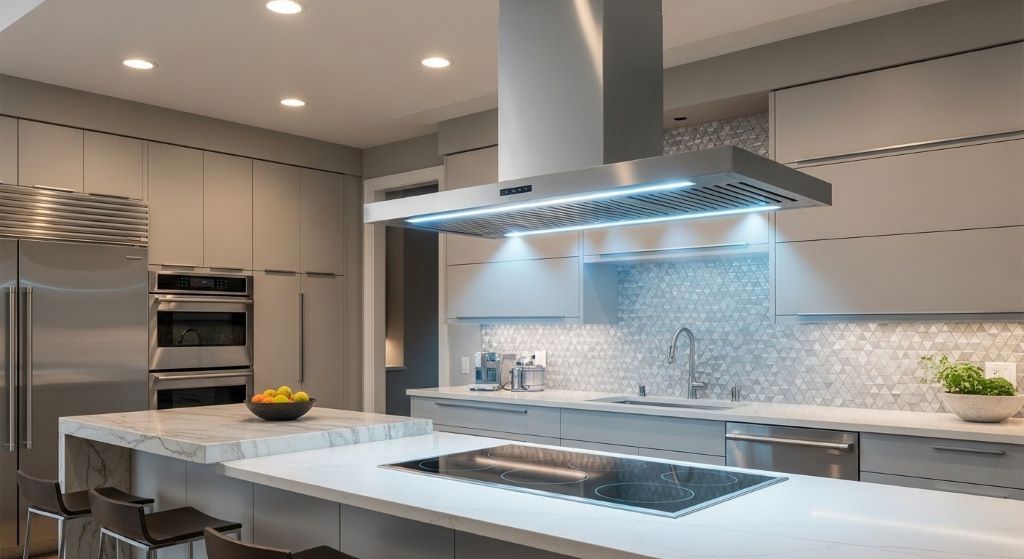
A wall mount hood attaches directly to the wall above your stove. This style works best when you don’t have upper cabinets in your cooking area. Many homeowners choose this configuration to create an open, airy feel in their kitchen.
Wall mounted designs often serve as statement pieces. They come in various materials and finishes, from sleek stainless steel to elegant glass. Additionally, these models frequently offer higher airflow capacity because they don’t need to fit within cabinet dimensions.
Key Performance Features to Consider
Several specifications determine how well a range hood will work in your kitchen.
Airflow Capacity Explained
Measured in cubic feet per minute (CFM), airflow capacity indicates how much air the hood can move. For a 30-inch range hood, you typically need between 250 and 600 CFM, depending on your cooking habits.
Calculate your needs based on your stove’s BTU output. As a general rule, you need 1 CFM for every 100 BTUs. However, if you frequently cook foods that produce heavy smoke or strong odors, consider choosing a model with higher capacity.
Noise Levels Matter
Nobody wants a vacuum-cleaner-loud appliance running while they cook. Noise levels are measured in sones, with lower numbers indicating quieter operation. Look for models rated at 3 sones or below for comfortable conversation during cooking.
Many modern range hoods feature multiple fan speeds. This allows you to use lower, quieter settings for everyday cooking and reserve higher speeds for when you really need them. Therefore, checking noise ratings at different speed settings helps you understand real-world performance.
Filtration Systems
Range hoods use different types of filters to capture grease and particles. Baffle filters, made from stainless steel, are highly effective and easy to clean. Mesh filters also work well and typically cost less.
Some models include charcoal filters for recirculating installations. These filters absorb odors when venting outside isn’t possible. Remember that charcoal filters need regular replacement, while metal filters simply require periodic cleaning.
Lighting and Visibility
Adequate lighting transforms your cooking experience. Most range hoods include built-in lights that illuminate your cooking surface. LED lights have become the standard in 2026 because they last longer and use less energy than traditional bulbs.
Look for models with adjustable brightness settings. This feature lets you create the perfect ambiance for different times of day. Additionally, some premium models offer color temperature adjustment, allowing you to switch between warm and cool light tones.
Material and Finish Options
The material you choose affects both appearance and maintenance requirements.
Stainless steel remains the most popular choice. It resists corrosion, cleans easily, and matches most kitchen appliances. However, it does show fingerprints, so you’ll need to wipe it down regularly.
Tempered glass creates a modern, sophisticated look. It’s easy to clean and doesn’t show fingerprints as readily as stainless steel. Nevertheless, glass requires more careful handling during installation.
Black stainless steel and matte finishes have gained popularity recently. These options hide smudges better than traditional stainless steel while maintaining a premium appearance.
Ducted Versus Ductless Installation
Understanding the difference between these two systems helps you choose the right model for your kitchen.
Ducted Systems
Ducted range hoods vent air outside through ductwork. This configuration provides the most effective removal of smoke, grease, and odors. If your home’s structure allows for it, ducted installation offers superior performance.
Plan your ductwork carefully. Shorter, straighter duct runs work more efficiently than long, winding paths. Each bend or turn reduces airflow capacity, so minimize them when possible.
Ductless Solutions
Ductless models recirculate filtered air back into your kitchen. They work well in apartments or homes where external venting isn’t feasible. While not as effective as ducted systems, modern ductless hoods still provide meaningful improvement over no ventilation.
These systems require filter maintenance. You’ll need to clean or replace filters regularly to maintain performance. Despite this extra maintenance, ductless installation costs significantly less because it doesn’t require ductwork.
Control Options and Smart Features
Range hood controls have evolved considerably in recent years.
Traditional push-button controls remain common and reliable. They’re simple to use and rarely malfunction. However, touch controls offer a sleeker appearance and easier cleaning since they have no crevices where grease can accumulate.
Smart range hoods can connect to your home network. They allow you to control settings through smartphone apps and often include features like automatic fan speed adjustment based on cooking temperature. Furthermore, some models integrate with voice assistants for hands-free operation.
Energy Efficiency Considerations
Energy-efficient models save money over time while reducing environmental impact. Look for ENERGY STAR certified range hoods, which use significantly less electricity than standard models.
LED lighting contributes substantially to energy savings. These bulbs consume up to 75% less energy than incandescent alternatives and last much longer. Additionally, many modern range hoods include auto-shutoff timers that prevent wasted energy from forgotten fans.
Installation Requirements and Costs
Professional installation ensures optimal performance and safety. The cost varies based on several factors, including whether you need new ductwork and your kitchen’s current configuration.
For an under cabinet hood, installation typically takes two to four hours. The process involves mounting the unit, connecting electrical wiring, and establishing proper ventilation. Wall mount hood installation may require additional structural support and generally takes longer.
Budget between $200 and $500 for professional installation in most cases. Complex installations requiring extensive ductwork modifications can cost more. However, proper installation prevents future problems and ensures your range hood operates at peak efficiency.
Maintenance and Long-Term Care
Regular maintenance keeps your range hood functioning properly for years.
Clean metal filters every month or two, depending on cooking frequency. Most filters are dishwasher-safe, making this task simple. Alternatively, soak them in hot, soapy water and scrub gently with a soft brush.
Wipe down the exterior surfaces weekly to prevent grease buildup. Use a mild detergent and soft cloth to avoid scratching. For stainless steel, specialized cleaners help maintain shine and remove fingerprints.
Inspect and clean the fan and motor housing annually. Accumulated grease in these areas can reduce performance and create fire hazards. If you’re uncomfortable doing this yourself, hire a professional for yearly maintenance.
Budget Considerations
Range hood prices vary widely based on features, materials, and brand reputation.
Entry-level models start around $150 to $300. These basic units provide adequate ventilation for light cooking and include essential features. They work well for apartments or homes where cooking happens infrequently.
Mid-range options, priced between $300 and $600, offer better performance and additional features. These models typically include multiple fan speeds, improved lighting, and higher-quality construction materials.
Premium range hoods cost $600 to $1,500 or more. They feature the best kitchen ventilation technology, quietest operation, and most sophisticated designs. For serious home cooks or those prioritizing kitchen aesthetics, these investments prove worthwhile.
Making Your Final Decision
Consider your cooking habits first. Frequent cooks who prepare foods that generate heavy smoke or strong odors need higher CFM ratings and more robust filtration. Occasional cooks can manage with lower-capacity models.
Evaluate your kitchen layout carefully. Measure the space above your stove, noting ceiling height and cabinet placement. This information determines whether you need a wall mount hood or can use an under-cabinet model.
Think about your priorities. Some homeowners value quiet operation above all else, while others prioritize powerful ventilation or striking design. Identifying your top three requirements helps narrow your options significantly.
Read customer reviews from verified purchasers. Real-world experiences reveal information that specifications can’t convey, such as ease of cleaning, durability, and customer service quality.
Conclusion
Choosing the best 30-inch range hood for your kitchen involves balancing performance, design, and budget. Start by determining whether an under cabinet hood or wall mount hood suits your kitchen layout better. Then evaluate airflow capacity, noise levels, and filtration systems based on your cooking habits.
Don’t overlook important details like lighting quality, energy efficiency, and control options. These features significantly impact your daily cooking experience. Furthermore, factor in installation costs and ongoing maintenance requirements when calculating total investment.
Remember that the most expensive option isn’t always the best choice for your specific needs. A mid-range model with the right features often outperforms a premium unit with unnecessary bells and whistles. By carefully considering the factors outlined in this guide, you’ll find the perfect range hood to keep your kitchen fresh, clean, and comfortable for years to come.
Frequently Asked Questions
What CFM rating do I need for a 30-inch range hood?
For most 30-inch stoves, a range hood with 250 to 400 CFM works well for everyday cooking. If you frequently stir-fry, sear meat, or cook foods that produce heavy smoke, consider 400 to 600 CFM. Calculate based on your stove’s BTU output, using the formula of 1 CFM per 100 BTUs for accurate sizing.
Can I install a range hood myself?
While DIY installation is possible if you have electrical and carpentry skills, professional installation is recommended. Improper installation can reduce performance, create safety hazards, and void warranties. If you choose to install it yourself, carefully follow manufacturer instructions and ensure all electrical work meets local building codes.
How often should I clean my range hood filters?
Clean metal filters every one to two months depending on cooking frequency. If you cook daily or prepare greasy foods often, monthly cleaning prevents buildup. Most metal filters are dishwasher-safe for easy maintenance. Charcoal filters in ductless systems typically need replacement every three to six months.
What’s the difference between ducted and ductless range hoods?
Ducted range hoods vent air outside through ductwork, completely removing smoke, grease, and odors from your home. Ductless models filter air and recirculate it back into the kitchen. Ducted systems provide superior performance, while ductless options work well when external venting isn’t possible.
How loud should a range hood be?
Look for models rated at 3 sones or quieter for comfortable operation. Most range hoods operate between 1 and 7 sones, with lower numbers indicating quieter performance. Keep in mind that noise levels increase at higher fan speeds, so check ratings across all speed settings before purchasing.
Related Topics:
Why the Dash Mini Rice Cooker is Perfect for Students and Small Apartments
Deco Chef Automatic Pasta Maker Review: Is It Worth Buying?