Silicone caulk is a versatile sealant used in homes for sealing gaps, joints, and cracks in bathrooms, kitchens, and other areas. Whether you’re tackling a DIY project or hiring a professional, understanding the curing process is essential for achieving a durable, long-lasting seal. At Healthy House Plans, we believe that knowing the ins and outs of materials like silicone caulk can help you maintain a safe and functional home. One of the most common questions homeowners ask is about caulk drying time and how long it takes for silicone caulk to cure fully. This article explores the curing process, factors affecting it, and practical tips to ensure the best results.
What Is Silicone Caulk and Why Does Curing Matter?
Silicone caulk is a flexible, waterproof sealant made from silicone polymers. It’s widely used for sealing around bathtubs, sinks, windows, and tiles because of its durability and resistance to moisture. Unlike other sealants, silicone caulk cures through a chemical reaction with moisture in the air, forming a strong, elastic bond. However, the curing process can vary, and understanding caulk drying time is critical to avoid damaging the seal before it sets. For a detailed explanation of this process, check out Healthy House Plans’ guide on caulk drying time.
Curing matters because it determines when the caulk is ready for exposure to water, pressure, or other stresses. If you disturb the caulk before it’s fully cured, you risk compromising its adhesion and effectiveness. Therefore, patience is key to ensuring a professional-quality seal.
The Difference Between Drying and Curing
Many people confuse drying with curing, but these terms describe different stages. Drying refers to the initial stage when the caulk’s surface becomes tack-free, meaning it no longer feels sticky to the touch. This typically happens within 30 minutes to 2 hours for silicone caulk. Curing, on the other hand, is the complete hardening process, where the caulk reaches its maximum strength and durability. Full curing can take much longer, depending on several factors.
Understanding this distinction helps you plan your project timeline. For instance, while the caulk may seem dry after an hour, it’s not ready for heavy use until it’s fully cured. Let’s dive into how long that process takes and what influences it.
How Long Does Silicone Caulk Take to Cure?
On average, silicone caulk takes 24 to 48 hours to cure fully under standard conditions. However, this timeline can vary based on the caulk’s formulation, environmental factors, and application thickness. Most manufacturers specify curing times on the product label, but here’s a general breakdown:
- Surface Drying (Skin Formation): The outer layer of silicone caulk typically dries within 30 minutes to 2 hours. This is when the caulk forms a skin and is no longer sticky.
- Partial Curing: After 12 to 24 hours, the caulk is often firm enough to withstand light exposure to water or touch, but it’s not fully set.
- Full Curing: Complete curing usually takes 24 to 48 hours, though some products may require up to 7 days for maximum strength, especially in thicker applications.
For precise timelines, always check the product’s technical data sheet. For example, GE Silicone II Caulk, a popular choice, often lists a 24-hour curing time for standard applications, as noted on The Home Depot’s product guides.
Factors That Affect Caulk Drying Time
Several factors influence how long silicone caulk takes to cure. By understanding these, you can optimize conditions for faster and more effective curing.
Humidity Levels
Since silicone caulk cures through a reaction with moisture in the air, humidity plays a significant role. In high-humidity environments, such as bathrooms, curing may happen faster—sometimes within 24 hours. Conversely, in dry climates or air-conditioned spaces, curing can take longer, potentially up to 72 hours. To speed up curing in low-humidity areas, consider using a humidifier or lightly misting the area (without soaking the caulk).
Temperature
Temperature also affects curing time. Silicone caulk cures best in temperatures between 40°F and 100°F (4°C to 38°C). Warmer temperatures accelerate the process, while colder conditions slow it down. Avoid applying caulk in freezing temperatures, as it may not cure properly.
Application Thickness
Thicker beads of caulk take longer to cure because the inner layers need more time to react with moisture. For best results, apply caulk in thin, even layers (no more than 1/4 inch thick). If you need a thicker seal, apply multiple thin layers, allowing each to cure before adding the next.
Ventilation
Good airflow helps carry moisture to the caulk, aiding the curing process. In poorly ventilated areas, such as enclosed bathrooms, curing may take longer. Using a fan or opening windows can improve air circulation and speed up curing.
Type of Silicone Caulk
Not all silicone caulks are the same. Some are formulated for specific purposes, like bathroom or kitchen use, and may have different curing times. For example, acetoxy silicone caulk (which has a vinegar-like smell) cures faster than neutral-cure silicone, which is odorless but slower to set. Always read the product label for specific curing guidelines.
Tips for Applying Silicone Caulk Properly
To ensure silicone caulk cures effectively and lasts for years, follow these practical tips:
- Prepare the Surface: Clean and dry the surface thoroughly before applying caulk. Remove old caulk, dirt, or grease to ensure strong adhesion.
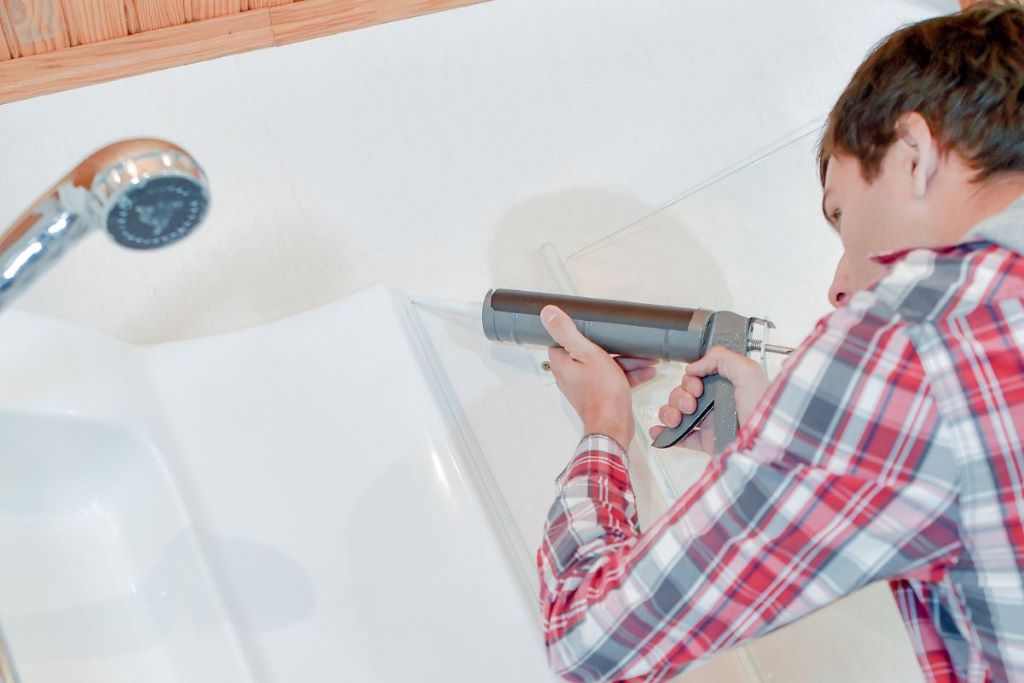
- Use a Caulk Gun: A caulk gun allows for smooth, even application. Cut the nozzle at a 45-degree angle for better control.
- Smooth the Bead: After applying, use a damp finger or a caulk smoothing tool to create a neat, professional finish.
- Avoid Disturbing the Caulk: Don’t touch or expose the caulk to water until it’s at least partially cured (12-24 hours).
- Check Manufacturer Instructions: Different brands have slightly different curing times, so always follow the product’s guidelines.
By following these steps, you can achieve a durable seal that withstands moisture and wear. For more home improvement tips, websites like This Old House offer excellent resources on caulking techniques.
Common Mistakes to Avoid
Even experienced DIYers can make mistakes when working with silicone caulk. Here are some pitfalls to watch out for:
- Applying in Wet Conditions: If the surface is wet, the caulk won’t adhere properly, leading to a weak seal.
- Using Too Much Caulk: Over-application creates thick beads that take longer to cure and may crack over time.
- Not Allowing Enough Curing Time: Exposing caulk to water or stress before it’s fully cured can ruin the seal.
- Poor Ventilation: Trapping the caulk in a humid, stagnant environment slows curing and may cause uneven results.
Avoiding these mistakes ensures your caulk performs as intended and lasts for years.
Conclusion
Silicone caulk is an excellent choice for sealing gaps and joints, but patience is key to achieving a strong, lasting seal. While the surface may dry within a couple of hours, full curing typically takes 24 to 48 hours, depending on humidity, temperature, and application thickness. By preparing surfaces properly, applying thin layers, and optimizing environmental conditions, you can ensure the best results. Additionally, understanding the factors that affect caulk drying time helps you plan your project effectively. With the right approach, your silicone caulk will provide a durable, waterproof seal for years to come.
Frequently Asked Questions
How soon can I shower after applying silicone caulk in a bathroom?
Wait at least 24 hours before exposing bathroom caulk to water. Some products may require 48 hours for full curing, so check the label.
Can I speed up silicone caulk curing time?
Yes, increase humidity with a humidifier, ensure good ventilation with a fan, and apply thin layers to help the caulk cure faster.
Why is my silicone caulk still tacky after 24 hours?
Low humidity, poor ventilation, or thick application may slow curing. Ensure proper conditions and check if the caulk is applied too thickly.
Is silicone caulk safe for kitchen use?
Yes, but use food-grade or neutral-cure silicone caulk for kitchen surfaces to avoid odors and ensure safety.
How long does silicone caulk last once cured?
Properly applied silicone caulk can last 10-20 years, depending on the product quality and environmental conditions.
Read More:
Choosing the Right Glass for Soundproofing Windows