Your home deserves comfort and efficiency. Open cell spray foam insulation delivers both. It’s a game-changer for homeowners seeking energy savings and cozy living spaces. Unlike traditional insulation, this foam expands to fill gaps, stopping air leaks. According to the U.S. Department of Energy, proper insulation can reduce energy bills by up to 20%. The International Energy Agency notes that buildings account for 40% of global energy use, making insulation critical. Open cell spray foam stands out for its flexibility and affordability. Ready to learn how it works? Let’s break down the essentials of this insulation superstar.
What Is Open Cell Spray Foam?
Open cell spray foam is a type of foam insulation made from polyurethane. It’s sprayed as a liquid and expands into a soft, spongy material. Its open cell structure allows air to stay trapped within tiny pockets, creating a lightweight, flexible material. This insulation type has a lower density, typically around 0.5 pounds per cubic foot (pcf density). It’s ideal for sealing gaps and improving thermal performance. Homeowners love it for its ability to reduce air leakage and enhance energy efficiency. Unlike closed cell foam, it’s softer and more cost-effective, making it a popular choice for many homes.
How Does Open Cell Spray Foam Work?
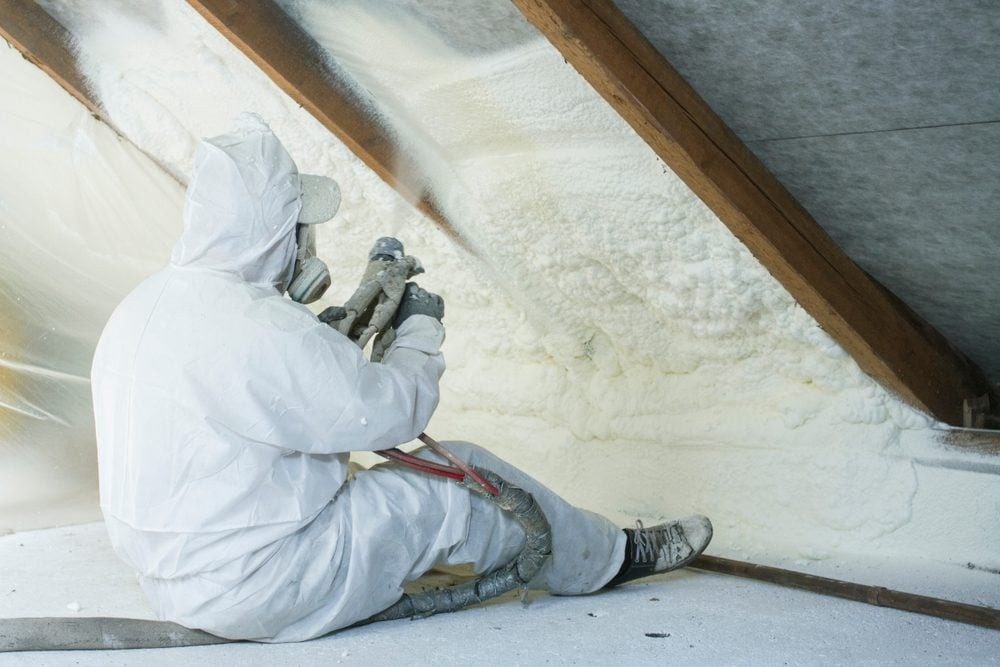
Spray foam starts as two liquid components that mix during application. Once sprayed, it expands rapidly, filling cracks and crevices. The foam hardens into a flexible barrier, stopping air infiltration. This process ensures a tight seal, unlike traditional forms like fiberglass. Open cell foam excels at sound dampening, making your home quieter. It also boosts thermal performance by reducing heat transfer. Professionals apply it in a single application, ensuring consistent coverage. From a cavity depth of a standard wall to larger spaces like pole barns, it adapts to various surfaces, delivering robust insulating power.
Benefits of Open Cell Spray Foam
Open cell spray foam offers unique advantages. Here’s why homeowners choose it:
- Energy Efficiency: Reduces energy bills by sealing air leaks.
- Sound Dampening: Absorbs noise, creating a quieter home.
- Affordable: Costs less than closed cell spray foam.
- Flexible Material: Expands to fill irregular spaces.
- Eco-Friendly: Uses less material, reducing environmental impact.
The foam’s R-value, a measure of thermal resistance, typically ranges from 3.5 to 3.9 per inch. This makes it effective for insulation goals like maintaining consistent indoor temperatures. Its ability to control air infiltration also prevents drafts, enhancing comfort. For homeowners, these benefits translate to lower utility bills and a cozier living space.
Open Cell vs. Closed Cell Spray Foam
Choosing between open cell and closed cell spray foam depends on your needs. Open cell foam is lighter and more affordable. Its open cell structure allows for flexibility but offers less structural integrity than closed cell foam. Closed cell spray foam, with a denser 2 pcf density, acts as a vapor barrier and provides greater strength. However, it’s pricier. Open cell foam suits interior walls and attics, while closed cell foam excels in areas prone to water damage. Understanding these differences helps you pick the right type of spray foam for your home.
Applications of Open Cell Spray Foam
Open cell spray foam shines in various home settings. Common uses include:
- Attics: Seals gaps to prevent heat loss.
- Walls: Fills standard wall cavities for insulation.
- Ceilings: Reduces noise between floors.
- Crawl Spaces: Controls air leakage in tight areas.
- Pole Barns: Insulates large, open structures.
Its single application process ensures seamless coverage. From a small cavity depth to larger square footage, it adapts to any space. Professionals calculate material yield based on volume spray needs, ensuring accurate shipping quotes for your street address or ZIP code. This versatility makes it a go-to for many insulation projects.
Energy Efficiency and Cost Savings
Energy efficiency is a top reason to choose open cell spray foam. It seals air leaks, reducing the need for constant heating or cooling. The U.S. Department of Energy states that air leakage accounts for 25–40% of energy loss in homes. By addressing this, open cell foam cuts utility costs. Its foam pricing is lower than closed cell options, making it budget-friendly. Over time, the savings from reduced energy bills often offset the initial cost. For homeowners aiming to meet insulation goals, this foam delivers measurable results without breaking the bank.
Sound Dampening and Comfort
Noise can disrupt your home’s peace. Open cell spray foam excels at sound dampening. Its spongy structure absorbs sound waves, reducing noise from outside or between rooms. This makes it ideal for urban homes or multi-story buildings. Imagine quieter evenings without street noise or footsteps overhead. Beyond sound, it enhances thermal performance, keeping your home at a comfortable temperature. By sealing gaps, it prevents drafts, ensuring a cozy environment year-round. These qualities make open cell foam a favorite for creating serene, comfortable living spaces.
Installation Process: What to Expect
Installing open cell spray foam requires professional expertise. Here’s the process:
- Preparation: Clear the area and cover surfaces.
- Mixing: Combine foam components for spraying.
- Application: Spray foam into cavities or open spaces.
- Expansion: Foam expands to fill gaps within seconds.
- Curing: Foam hardens, creating an airtight seal.
Professionals assess square footage and cavity depth to estimate material yield. They provide accurate shipping quotes based on your ZIP code. The process is quick, often completed in a day. Proper installation ensures the foam’s rigid nature and long-lasting performance, meeting building codes and insulation standards.
Is Open Cell Spray Foam Right for Your Home?
Not every home needs the same insulation. Open cell spray foam suits homes prioritizing affordability and sound dampening. It’s less effective as a vapor barrier, so it’s not ideal for areas with high moisture, like basements. Consider your climate, budget, and insulation goals. For example, pole barns benefit from its flexibility, while standard walls gain from its energy-saving properties. Consult a professional to assess your home’s needs. They’ll evaluate factors like cubic foot coverage and foam pricing to recommend the best solution.
Addressing Common Concerns
Some homeowners worry about open cell spray foam. Common concerns include:
- Cost: More expensive than fiberglass but often worth the investment.
- Moisture: Not a vapor barrier, so pair with other solutions in wet areas.
- Safety: Safe when installed by professionals following building codes.
Its biggest benefits outweigh these concerns for most homes. The foam’s ability to reduce air leakage and improve energy efficiency makes it a solid choice. Always hire certified installers to ensure safety and performance. This ensures compliance with local building codes and maximizes the foam’s effectiveness.
Environmental Impact and Sustainability
Open cell spray foam supports eco-friendly living. It uses less material than traditional forms, reducing waste. Its energy-saving properties lower your carbon footprint. Some brands, like AMERICAN SPRAY FOAM .5LB, prioritize sustainable formulas. By improving thermal performance, it reduces reliance on heating and cooling systems. This aligns with global efforts to cut energy use, as noted by the International Energy Agency. Choosing open cell foam means investing in a greener home and a healthier planet, all while enjoying long-term cost savings.
Read More Also: Organize Cables Behind Entertainment Unit
FAQs
What is the R-value of open cell spray foam?
Open cell spray foam has an R-value of 3.5 to 3.9 per inch. This measures its thermal resistance, making it effective for energy efficiency.
How does open cell foam compare to traditional insulation?
It outperforms fiberglass by sealing air leaks and providing sound dampening. It’s more flexible but less rigid than closed cell foam.
Is open cell spray foam safe for my home?
Yes, when installed by professionals following building codes. It’s non-toxic once cured and enhances indoor air quality by reducing drafts.
Can open cell foam prevent water damage?
It’s not a vapor barrier, so it’s less effective in high-moisture areas. Pair it with proper waterproofing for best results.
How much does open cell spray foam cost?
Costs vary by square footage and region. Contact installers for accurate quotes based on your home’s needs and ZIP code.
Conclusion: Make Your Home Cozy and Efficient
Open cell spray foam transforms homes. It saves energy, reduces noise, and boosts comfort. Its flexible, lightweight nature makes it ideal for walls, attics, and pole barns. While not a vapor barrier, it excels in sealing air leaks and meeting insulation goals. With professional installation, it complies with building codes and delivers long-term savings. Ready to upgrade your home? Contact a certified insulation contractor today to explore open cell spray foam and start enjoying a cozier, more efficient living space.
References
- U.S. Department of Energy: https://www.energy.gov/energysaver/insulation
- International Energy Agency: https://www.iea.org/topics/buildings