Your porch is an extension of your home, a welcoming space to relax and enjoy the outdoors. And while we often focus on the swing, the furniture, or the view, there’s one element that quietly ties it all together: the railing. But did you know that “porch rail” is a rather generic term for a structure with many individual parts, each with its specific name? To understand these details further, explore Vincentjameshomes blog, which breaks down each component and highlights how they work together to complete the look of your porch.
Understanding the anatomy of your porch railing not only allows you to appreciate its craftsmanship but also empowers you when it’s time for repairs, renovations, or simply showing off your knowledge to guests. So, let’s break down the components that make up this unsung hero of your porch.
-
The Foundation: Posts and Newel Posts
Think of these as the pillars of your porch railing.
- Posts: These vertical supports are spaced evenly along the length of your porch and are responsible for holding the entire railing structure in place. They are usually made of sturdy materials like wood, metal, or composite, and their size and style can significantly impact the overall look of your porch.
- Newel Posts: These larger and more decorative posts, found at the start, end, and sometimes at key junctions of your railing, add style and function to the setup. They often feature intricate designs or carvings that visually anchor the entire railing system, providing both elegance and stability. When setting up such a railing, consider sturdy installation options, like an IKEA cabinet mounting rail, to ensure reliable support and seamless integration with your design.
-
The Framework: Top Rail and Bottom Rail
These horizontal elements provide the framework for the railing infill and connect the posts.
- Top Rail: This is the railing you lean on, rest your elbows on, and perhaps even display a few potted plants. It runs continuously along the top of the posts and provides a smooth, finished edge to the railing.
- Bottom Rail: Often overlooked, the bottom rail runs parallel to the top rail, closer to the porch floor. It adds stability to the structure and prevents smaller objects or pets from slipping through the railing.
-
The Infill: Balusters, Spindles, and More
This is where the real personality of your porch railing shines through. The infill refers to the vertical elements that fill the space between the top and bottom rails.
- Balusters: These are the most common type of infill, often seen in traditional porch designs. They can be simple and straight, or elaborately turned with decorative details.
- Spindles: Similar to balusters but typically thinner and more delicate in appearance. They often feature intricate patterns and add a touch of elegance to the railing.
- Other Infill Options: Beyond balusters and spindles, you can find a wide variety of infill options, including:
- Lattice panels: Crisscrossing wood or vinyl strips for a classic look.
- Glass panels: Modern and sleek, offering unobstructed views.
- Metal panels: Durable and contemporary, with various design options.
- Cable railing: Minimalist and trendy, using stainless steel cables for a clean aesthetic.
-
The Finishing Touches: Caps, Finials, and More
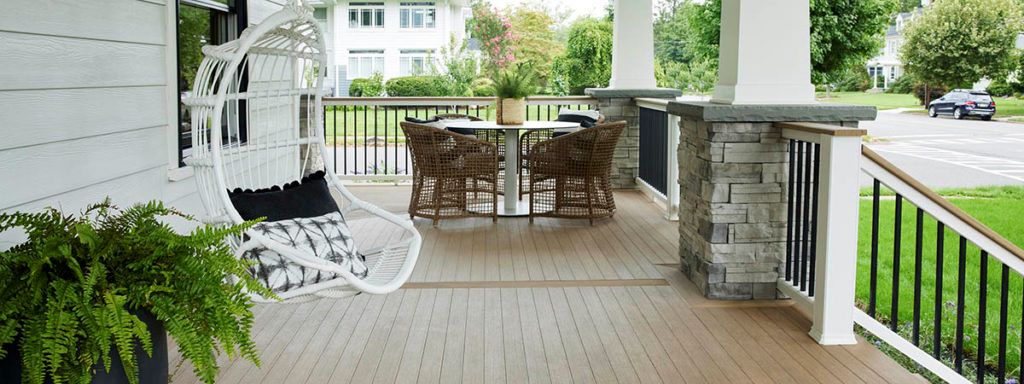
These small details might seem insignificant, but they add the final touch of elegance and polish to your porch railing.
- Post Caps: These decorative elements sit atop the posts, protecting them from the elements and adding a visual flourish. They come in various shapes, sizes, and materials, from simple pyramids to ornate spheres.
- Finials: Similar to post caps but placed on top of new posts. They often feature more elaborate designs, such as pineapples, acorns, or other decorative motifs.
- Other Details: You might also find decorative brackets, molding, or scrollwork that further enhance the visual appeal of your railing.
Beyond the Basics: Regional and Stylistic Variations
While the basic components remain the same, the terminology for porch railings can vary depending on your region or the architectural style of your home. For example:
- In some areas, you might hear the entire railing system referred to as a “balustrade.”
- Victorian homes might feature intricate “gingerbread” trim on their railings.
- Modern homes might opt for minimalist “cable railings” or “glass railings.”
Why Knowing the Lingo Matters
Understanding the different parts of your porch railing is beneficial for several reasons:
- Effective Communication: When discussing repairs or renovations with a contractor, using the correct terminology ensures everyone is on the same page.
- Informed Decisions: When choosing a new railing or replacing existing components, knowing the names and functions of each part helps you make informed decisions.
- Appreciation for Craftsmanship: Recognizing the various elements and their intricate details allows you to appreciate the craftsmanship that goes into creating a beautiful and functional porch railing.
You Might Enjoy: Crafting Curves: A Guide to Building Curved Structures for Models
More Than Just a Safety Barrier
While the primary function of a porch railing is to provide safety and prevent falls, it’s also an important design element that contributes to your home’s curb appeal and overall aesthetic. By understanding its anatomy and exploring different styles and materials, you can transform your porch railing from a simple safety feature into a stunning focal point that enhances the beauty and enjoyment of your outdoor space.