









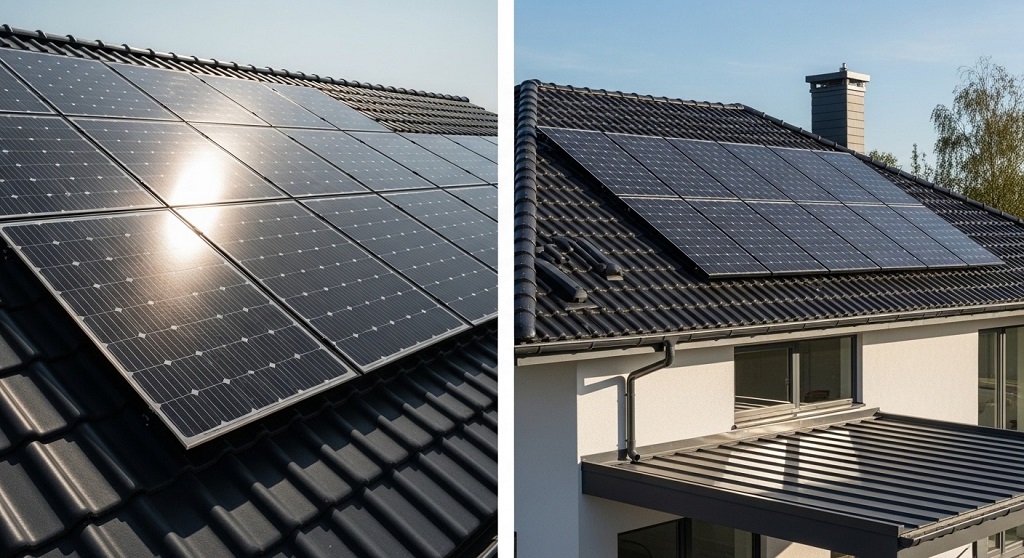
Modern roofing refers to roofing systems that use advanced materials, smart technology, and improved installation methods to deliver better durability, energy efficiency, and long-term value.
If you choose the wrong roof today, you may pay for it every year in repairs, high energy bills, and early replacement. Many homeowners still select roofing based only on price or appearance. That approach often leads to leaks, heat loss, and structural damage within 5–10 years.
The problem is not a lack of options. The problem is too many options without clear guidance.
Latest roofing innovations have changed how roofs perform. New materials now last 30–50 years. Some roofs reduce cooling costs by up to 25%, according to U.S. Department of Energy studies. Others include solar integration or impact-resistant layers designed for extreme weather.
This guide explains how to choose modern roofing step by step. You will learn how to compare materials, understand new roofing technologies, and avoid costly mistakes. The goal is simple: help you choose a roof that fits your climate, budget, and long-term plans.
How to Choose Modern Roofing Based on Your Climate?
Short answer: Match roofing materials to heat, rain, wind, snow, and humidity levels in your region.
Climate is the first filter when choosing modern roofing. A roof that works in dry heat may fail in heavy rainfall or snow.
Hot and Sunny Climates
In hot regions, heat absorption is the biggest issue. Dark roofs can reach surface temperatures of 150°F (65°C) or more.
- Cool roofs with reflective coatings reduce roof temperature by 50–60°F
- Metal roofing reflects solar radiation
- Clay or concrete tiles allow airflow under the roof
Case data from the Cool Roof Rating Council shows reflective roofing can cut cooling energy use by 10–25% annually.
Rainy and Humid Climates
Moisture leads to mold, rot, and leaks.
- Architectural asphalt shingles with algae resistance
- Standing seam metal roofing
- Proper underlayment with waterproof membranes
Latest roofing innovations now include synthetic underlayments that resist moisture better than traditional felt.
Cold and Snowy Climates
Snow load and ice dams are common problems.
- Metal roofing sheds snow faster
- Ice and water shield membranes
- High-slope designs reduce ice buildup
How Do Modern Roofing Materials Compare Today?

Short answer: Modern roofing materials differ in lifespan, cost, energy efficiency, and maintenance needs.
| Material | Average Lifespan | Cost Range | Key Benefit |
|---|---|---|---|
| Asphalt Shingles | 20–30 years | Low–Medium | Affordable and easy installation |
| Metal Roofing | 40–70 years | Medium–High | Energy efficiency and durability |
| Clay/Concrete Tiles | 50+ years | High | Heat resistance and longevity |
| Slate Roofing | 75–100 years | Very High | Natural stone durability |
| Synthetic Roofing | 30–50 years | Medium | Lightweight and impact resistant |
Asphalt shingles remain common, but latest roofing innovations have improved their wind resistance and algae protection. Metal roofing is growing fast due to lower long-term costs despite higher upfront pricing.
What Are the Latest Roofing Innovations You Should Know?
Short answer: Modern roofs now include smart, energy-saving, and impact-resistant technologies.
Cool Roof Technology
Cool roofs use reflective pigments and coatings. These roofs reflect sunlight instead of absorbing it.
According to DOE data, cool roofs can lower indoor temperatures by up to 7°F without changing insulation.
Solar-Integrated Roofing
Solar shingles blend into the roof design. They generate electricity without bulky panels.
- Lower visual impact
- Integrated weather protection
- 25–30 year performance warranties
Impact-Resistant Roofing
Class 4 impact-rated shingles are designed to withstand hail and debris.
Insurance industry studies show these roofs reduce storm damage claims by up to 30%.
Self-Healing Materials
Some modern asphalt shingles use polymer-modified asphalt. Minor cracks seal when heated by sunlight.
How Does Energy Efficiency Affect Roofing Decisions?
Short answer: Energy-efficient roofing lowers utility bills and improves indoor comfort.
Roofing affects up to 40% of heat transfer in a home. Poor roofing forces HVAC systems to work harder.
- Reflective surfaces reduce cooling load
- Insulated roof panels improve thermal control
- Ventilated roofing systems prevent heat buildup
A Florida case study showed metal roofing reduced annual cooling costs by 23% compared to asphalt shingles.
How to Choose Modern Roofing Based on Budget and ROI?
Short answer: Focus on lifetime cost, not just installation price.
Cheap roofs often cost more over time.
- Asphalt shingles may need replacement after 20 years
- Metal roofing often lasts 2–3 times longer
- Energy savings reduce long-term expenses
Example: A $9,000 asphalt roof replaced twice over 40 years costs more than a $14,000 metal roof installed once.
How Important Is Roofing Installation Quality?
Short answer: Even the best roofing material fails with poor installation.
Industry data shows over 60% of roof failures are caused by installation errors, not material defects.
- Improper flashing leads to leaks
- Poor ventilation causes heat damage
- Incorrect fastening reduces wind resistance
Choose certified contractors who follow manufacturer guidelines.
How to Choose Modern Roofing That Meets Local Building Codes?
Short answer: Roofing must comply with wind, fire, and energy codes.
Modern roofing systems are often rated for:
- Wind uplift resistance
- Fire safety classifications
- Energy efficiency standards
Always verify compliance before installation.
What Maintenance Do Modern Roofs Require?
Short answer: Modern roofs need less maintenance but still require inspections.
- Annual visual checks
- Gutter cleaning
- Sealant inspection around vents
Metal and synthetic roofs require less maintenance than traditional shingles.
Conclusion: How to Choose Modern Roofing the Smart Way
Choosing a roof today is no longer about picking shingles and hoping for the best. Modern roofing is a system. It combines material, technology, installation, and long-term planning.
If you understand your climate, compare materials honestly, and consider latest roofing innovations, you reduce risk and increase value. Energy-efficient and impact-resistant roofs protect both your home and your budget.
The smartest decision focuses on lifespan, performance, and real-world data. Not marketing claims.
CTA: If you are planning a roof upgrade, consult a certified roofing professional and request material performance data before making a final choice. The right roof pays for itself over time.
Frequently Asked Questions About Choosing Modern Roofing
How long do modern roofing systems last?
Most modern roofing systems last between 30 and 70 years depending on material, climate, and maintenance.
Is metal roofing better than asphalt shingles?
Metal roofing lasts longer and offers better energy efficiency, but asphalt shingles cost less upfront.
Are latest roofing innovations worth the extra cost?
Yes. Energy savings, durability, and reduced repairs often offset higher initial prices.
Can modern roofing increase home value?
Studies show new roofing can recover 60–70% of its cost in resale value.
Do modern roofs require special maintenance?
Maintenance is minimal but annual inspections are still recommended.
Is solar roofing reliable?
Modern solar roofing systems offer 25–30 year warranties and proven performance.
Related Topics: How to clean the hob on a cooker?
Related Topics: Beautiful flower wall décor ideas and techniques


