Our roofs, often overlooked, play a significant role in our environmental footprint. From production to disposal, traditional roofing materials and practices can contribute to resource depletion, energy waste, and pollution. Fortunately, a growing movement towards sustainable roofing offers solutions that benefit both homeowners and the planet. Let’s delve into the best practices for minimizing your roof’s environmental impact.
1. Choosing Sustainable Roofing Materials
The most impactful decision you’ll make is selecting the right materials.
Consider these eco-friendly options:
- Metal Roofing: Durable and recyclable, metal roofs have a long lifespan, often exceeding 50 years. They reflect sunlight, reducing cooling costs and mitigating the urban heat island effect.
- Recycled Shingles: Made from recycled materials like plastic or rubber, these shingles divert waste from landfills and reduce the demand for new resources.
- Cool Roofs: Coated with reflective pigments, cool roofs reduce heat absorption, lower energy bills, and improve air quality.
- Green Roofs (Living Roofs): These systems involve planting vegetation on rooftops, including various pitched roof types. They offer insulation, absorb rainwater, improve air quality, and provide habitats for wildlife.
2. Prioritizing Energy Efficiency
Your roof plays a crucial role in your home’s energy consumption.
Implementing energy-efficient measures can significantly reduce your carbon footprint:
- Proper Insulation: A well-insulated roof prevents heat loss in winter and heat gain in summer, reducing the need for heating and cooling. Choose eco-friendly insulation materials like cellulose or recycled denim.
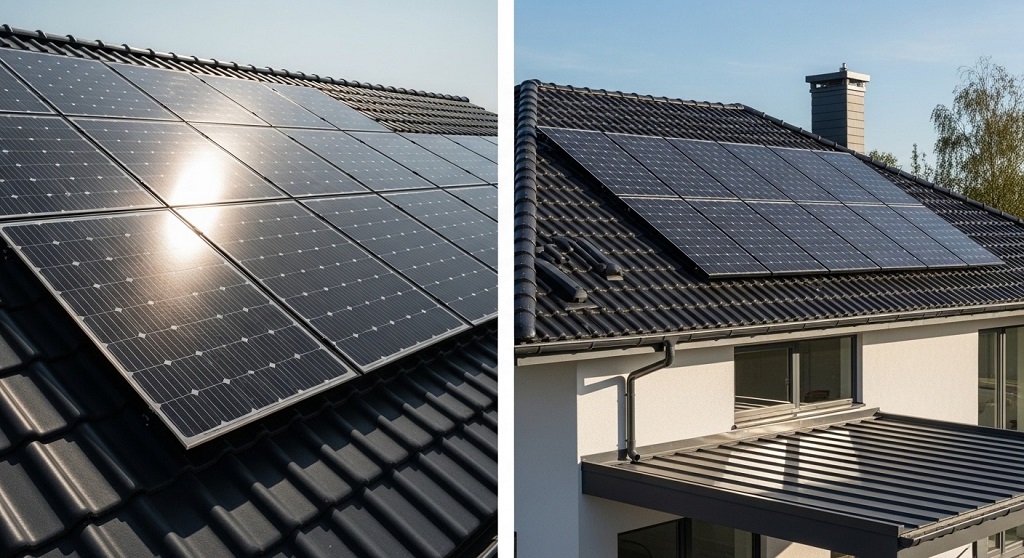
- Solar Panels: Installing solar panels on your roof transforms it into a clean energy generator. Solar power reduces reliance on fossil fuels and lowers electricity bills.
- Skylights: Strategically placed skylights can provide natural light, reducing the need for artificial lighting and lowering energy consumption.
3. Managing Stormwater Runoff
Traditional roofs often contribute to stormwater runoff, overwhelming drainage systems, and polluting waterways.
Sustainable roofing practices can mitigate this issue:
- Green Roofs: The vegetation on green roofs absorbs rainwater, reducing runoff and filtering pollutants.
- Rainwater Harvesting Systems: Collecting rainwater in barrels or cisterns allows you to reuse it for irrigation, cleaning, or flushing toilets, conserving valuable resources.
- Permeable Paving: For driveways and walkways, permeable paving allows water to infiltrate the ground, reducing runoff and replenishing groundwater.
4. Extending Roof Lifespan Through Proper Maintenance
Regular maintenance is essential for maximizing your roof’s lifespan and minimizing the need for premature replacement:
- Prompt Repairs: Address leaks, damaged shingles, or other issues promptly to prevent further damage and extend the roof’s longevity.
- Cleaning: Regularly remove debris, leaves, and moss to prevent moisture buildup and ensure optimal performance.
- Professional Inspections: Schedule periodic inspections by a qualified roofer to identify potential problems early on.
Related: Roof Snow Load Chart: Expert Guide and Calculations
5. Responsible Disposal and Recycling
When it’s time for a new roof, consider these environmentally responsible options:
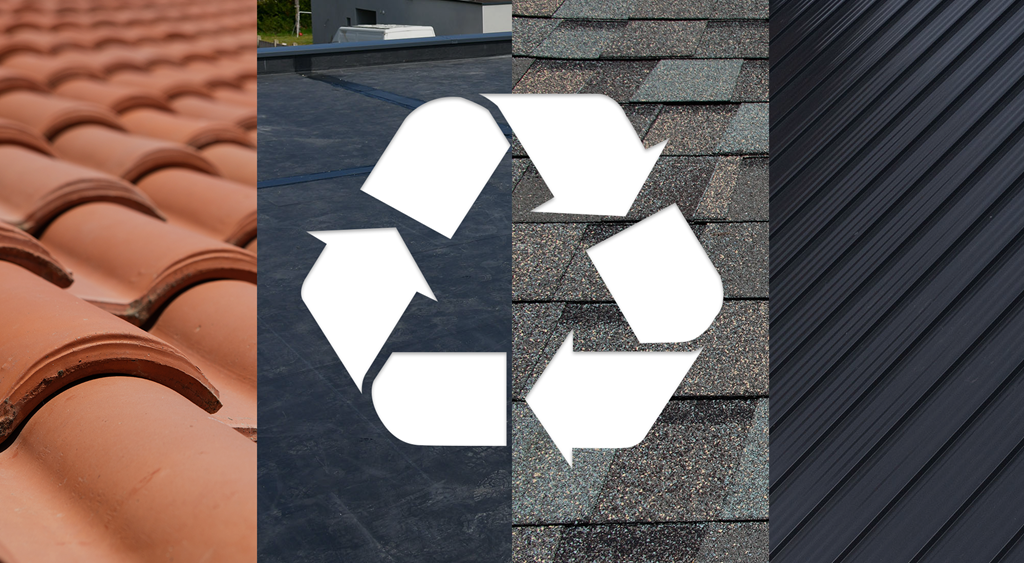
- Roof Recycling Programs: Many roofing materials, including asphalt shingles and metal, can be recycled. Research local recycling programs to divert waste from landfills.
- Donate Usable Materials: If your old roofing materials are still in good condition, consider donating them to organizations that repurpose or reuse building materials.
6. Additional Considerations
- Local Climate: Choose roofing materials and practices that are suitable for your local climate. Consider factors like temperature extremes, snowfall, and rainfall patterns.
- Professional Installation: Hire experienced professionals who are knowledgeable about sustainable roofing practices and can ensure proper installation.
- Building Codes and Regulations: Familiarize yourself with local building codes and regulations that may affect your roofing choices.
The Future of Sustainable Roofing
The roofing industry continues to innovate, with new technologies and materials emerging regularly.
Some exciting developments include:
- Solar Roof Tiles: These integrate solar cells directly into roofing tiles, offering a seamless and aesthetically pleasing way to generate clean energy.
- Cool Pavement: Reflective coatings for pavements and roads can help reduce the urban heat island effect.
- Smart Roofing: Sensors and monitoring systems can optimize roof performance, detect leaks, and predict maintenance needs.
Conclusion
By adopting sustainable roofing practices, you can significantly reduce your home’s environmental impact. Choosing eco-friendly materials, prioritizing energy efficiency, managing stormwater runoff, and practicing responsible disposal are all steps toward a greener future. Not only will you be contributing to a healthier planet, but you’ll also enjoy benefits like lower energy bills, increased property value, and a more comfortable living environment.