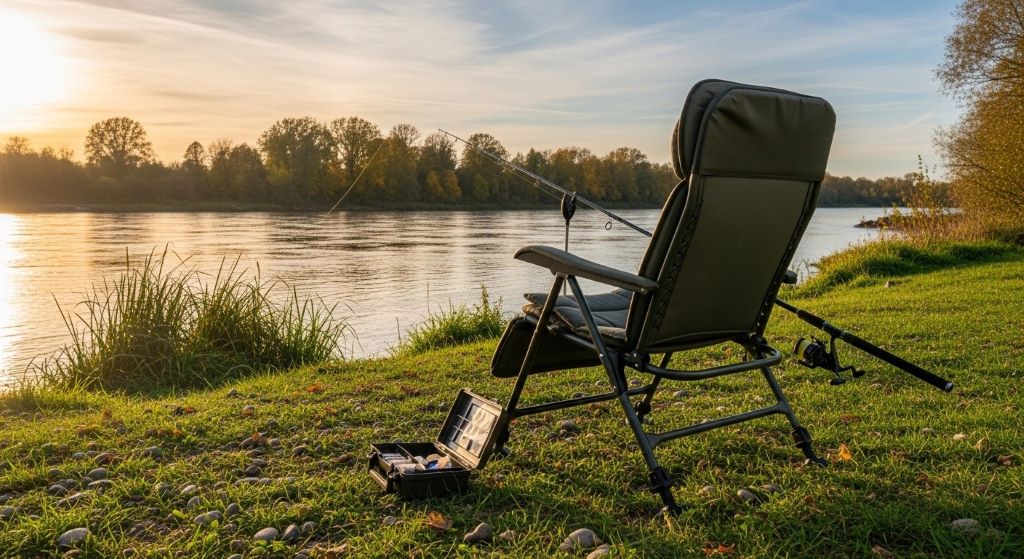
Fishing is a waiting game that demands patience and comfort. Spending hours by the water should be relaxing, not a test of endurance against an uncomfortable seat. The right fishing chair transforms your experience, allowing you to focus on the fish rather than your aching back or numb legs.
Many anglers underestimate how much their seating choice affects their fishing success. Discomfort leads to fidgeting, which scares fish away. It also shortens your fishing sessions and makes you less likely to return to your favorite spots. Choosing the right chair is an investment in both your comfort and your catch rate.
This comprehensive guide will walk you through everything you need to know about selecting a fishing chair that keeps you comfortable during marathon sessions. You’ll learn about essential features, materials, designs, and considerations that make the difference between a mediocre chair and one that feels custom-made for your needs.
Understanding Why Comfort Matters for Fishing Success
Comfortable anglers are more successful anglers. This isn’t just about enjoying your time outdoors. Physical comfort directly impacts your fishing performance in several important ways.
When you’re uncomfortable, you move more frequently. Every shift in position creates vibrations that travel through the ground or your fishing platform. Fish are incredibly sensitive to these disturbances. Therefore, a comfortable chair that keeps you still naturally improves your chances of success.
Mental focus requires physical comfort. Fishing demands concentration, whether you’re watching a bobber, feeling for subtle bites, or waiting for the perfect moment to set the hook. Pain and discomfort constantly pull your attention away from these critical tasks.
Additionally, longer fishing sessions give you more opportunities to catch fish. If your chair forces you to pack up early due to back pain or leg cramps, you’re missing prime fishing time. The fish often start biting just as uncomfortable anglers are heading home.
Your long-term health matters too. Repeated fishing trips in poorly designed chairs can lead to chronic back problems, poor posture, and joint issues. Protecting your body ensures you can enjoy fishing for decades to come.
Key Features of a Back Support Fishing Chair
A back support fishing chair incorporates specific design elements that maintain your spine’s natural alignment during extended sitting periods. Understanding these features helps you identify quality chairs that truly support your body.
The lumbar region, or lower back, needs particular attention. This area has a natural inward curve that flattens when you slouch. Quality fishing chairs include built-in lumbar support or padding that maintains this curve, preventing the muscle fatigue and pain that comes from unsupported sitting.
Backrest height determines how much of your spine receives support. Low-back chairs work well for active fishing where you’re frequently leaning forward. However, for extended waiting periods, a higher backrest that supports your entire spine and even your head reduces overall fatigue significantly.
Reclining mechanisms add versatility to your chair. The ability to adjust your sitting angle lets you change positions throughout the day without leaving your chair. This variation reduces pressure on any single area of your body and helps you stay comfortable longer.
Armrests serve an important function beyond just giving you somewhere to rest your arms. They support your upper body weight, reducing the load on your spine. Properly positioned armrests also help you stand up more easily after sitting for extended periods.
Seat depth and width affect how well the chair accommodates your body. A seat that’s too shallow leaves your thighs unsupported, while one that’s too deep forces you to slouch to use the backrest. Similarly, adequate width prevents you from feeling squeezed or cramped during long sessions.
Exploring Ergonomic Chair Designs
An ergonomic chair is designed around human body mechanics rather than simply looking good or being easy to manufacture. These chairs consider how your body naturally wants to sit and provide support that works with your anatomy rather than against it.
Contoured seating follows the natural curves of your body. Rather than flat surfaces, quality ergonomic designs feature gentle curves in both the seat and backrest. These contours distribute your weight more evenly, reducing pressure points that cause discomfort and circulation problems.
The seat angle makes a surprising difference in comfort. A slight backward tilt helps you relax and reduces the tendency to slide forward. However, too much tilt can strain your lower back. The best fishing chairs offer adjustable angles so you can find your perfect position.
Breathable materials become increasingly important during long sessions, particularly in warm weather. Mesh backs and perforated seats allow air circulation, preventing the sweaty, sticky feeling that develops with solid materials. This feature keeps you comfortable even during hot summer fishing trips.
Weight distribution technology in premium chairs uses multiple support points to spread your body weight across a larger area. This reduces stress on your spine and tailbone, letting you sit comfortably for hours without developing the soreness associated with cheaper chairs.
Flexibility in the seat and back allows the chair to move with you rather than forcing you into a rigid position. Some give in the materials accommodates small position changes and makes the chair feel more natural and less confining during extended use.
Portability Versus Comfort Trade-offs
Fishing chairs exist on a spectrum between ultra-portable lightweight models and heavy, luxurious designs. Understanding where you fall on this spectrum helps narrow your choices significantly.
Lightweight chairs typically weigh under five pounds and fold into compact packages. They’re perfect for anglers who hike to remote fishing spots or need to carry gear long distances. However, they usually sacrifice padding, back support, and stability to achieve low weight.
Mid-weight options balance portability with comfort. Weighing between eight and fifteen pounds, these chairs offer reasonable support and padding while remaining manageable to transport. They suit anglers who don’t travel far from their vehicle but still appreciate reasonable portability.
Heavy-duty models prioritize comfort over portability. Weighing twenty pounds or more, these chairs provide maximum support, thick padding, and often include features like built-in coolers or rod holders. They’re ideal for shore fishing where you can drive close to your spot or boat fishing where weight matters less.
Consider your typical fishing scenarios honestly. Many anglers buy ultra-light chairs thinking they’ll hike to remote spots, then actually fish from easily accessible locations ninety percent of the time. Conversely, buying a heavy chair when you regularly trek to isolated fishing holes creates frustration.
Folding mechanisms affect both portability and durability. Simpler fold designs with fewer moving parts tend to be more reliable over time. Complex folding systems create compact packages but often include plastic components that can break with repeated use.
Material Choices and Durability
The materials used in your fishing chair determine how long it lasts and how well it performs in outdoor conditions. Different materials offer various advantages and drawbacks.
Aluminum frames provide an excellent strength-to-weight ratio. They resist rust, making them ideal for saltwater environments. However, aluminum can corrode in certain conditions and may feel cold in winter weather. Quality aluminum frames use thicker tubing in high-stress areas for better longevity.
Steel frames are incredibly strong and durable but add significant weight to the chair. They require powder coating or other rust protection, particularly for fishing near salt water. Steel chairs work well when portability isn’t your primary concern and maximum stability matters most.
Frame thickness directly correlates with weight capacity and durability. Thicker tubing supports more weight and withstands rough treatment better. Check specifications carefully, as some lightweight chairs use very thin materials that bend or break under stress.
Fabric choices range from basic nylon to high-tech synthetics. Oxford cloth offers good durability at reasonable cost. Polyester dries quickly and resists mildew. Canvas provides classic comfort but takes longer to dry and can develop mildew if stored damp.
Padding materials affect both initial comfort and long-term performance. Foam padding compresses over time, eventually becoming thin and uncomfortable. Higher-density foams resist compression better. Some premium chairs use gel inserts or memory foam that maintains comfort over years of use.
Stitching quality often indicates overall build quality. Double or triple stitching in high-stress areas prevents fabric from separating. Reinforced stress points, particularly where the fabric attaches to the frame, significantly extend the chair’s usable life.
Stability on Various Terrain Types
The ground beneath your chair varies dramatically depending on where you fish. A chair that works perfectly on a concrete pier may be completely unsuitable for sandy beaches or muddy banks.
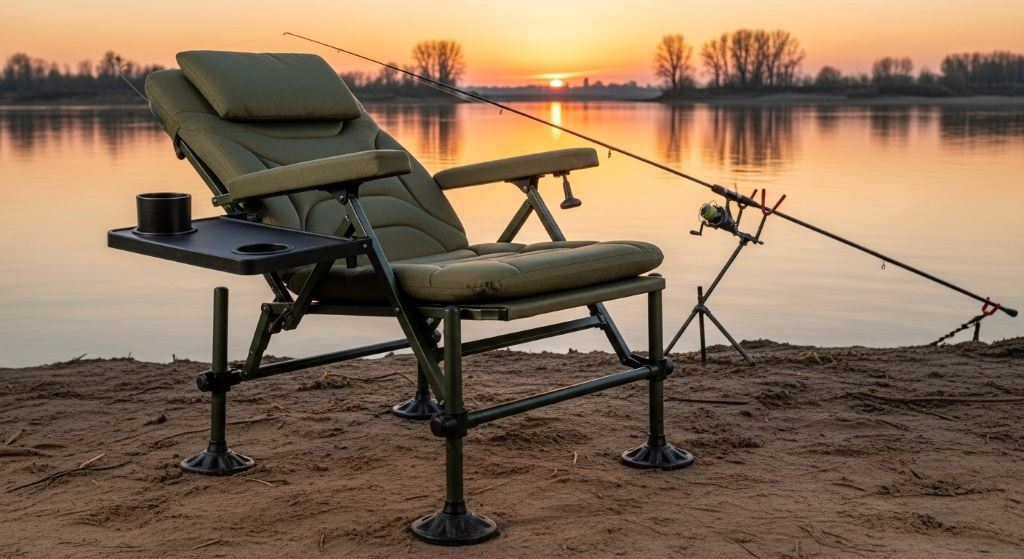
Leg design determines how well the chair handles soft ground. Wide feet distribute weight over a larger area, preventing the chair from sinking. Some chairs include optional mud feet or stabilizers that attach to standard legs when fishing on soft surfaces.
Four-leg designs provide superior stability on uneven ground compared to tripod or single-post chairs. The additional contact points keep the chair level even when one leg is on higher ground. However, four-leg chairs can be trickier to position on very uneven terrain.
Adjustable legs solve problems on sloped banks. Independent leg adjustment lets you level the chair on hillsides or uneven ground. This feature adds weight and complexity but provides versatility that fixed-leg chairs cannot match.
Ground clearance affects how the chair handles obstacles and uneven surfaces. Higher clearance works better on rocky terrain or areas with vegetation. However, very high chairs can feel unstable and make it harder to reach the ground when you need to adjust your position.
Swivel features add convenience but reduce stability. Chairs that rotate let you change direction without moving the entire chair. This works well on solid, level surfaces but can be problematic on soft or uneven ground where the swivel mechanism may sink or bind.
Additional Features That Enhance Long Sessions
Beyond basic seating comfort, various features can significantly improve your experience during extended fishing trips. Evaluating which features matter most to you helps prioritize your shopping criteria.
Cup holders keep drinks within easy reach without requiring you to place them on the ground where they might spill. Built-in holders are more convenient than clip-on accessories. Insulated holders keep drinks cold longer, though they add cost and weight.
Side pockets and storage compartments organize your essential gear. Quick-access pockets for phones, sunscreen, or tackle boxes reduce the need to stand up repeatedly. However, loaded pockets can make chairs unbalanced when you pick them up.
Rod holders built into the chair keep your fishing rod secure when you’re using multiple techniques or taking a break. The holder should grip the rod firmly enough to prevent it from falling but allow quick retrieval when a fish strikes.
Footrests reduce leg fatigue during long sessions. Elevating your feet improves circulation and takes pressure off your lower back. Some chairs include built-in footrests, while others accommodate attachable versions.
Sunshades or canopy attachments protect you from harsh sun or light rain. While they add bulk and weight, these features extend your comfortable fishing time during hot summer days. Consider whether you typically fish in exposed locations when deciding if this feature matters.
Cooler compartments integrated into the chair design keep drinks and snacks cold without requiring a separate cooler. This convenience comes at the cost of increased weight and reduced portability. For boat fishing or shore fishing near your vehicle, integrated coolers make excellent sense.
Weight Capacity Considerations
Choosing a chair with adequate weight capacity ensures safety and longevity. Manufacturers rate chairs for maximum weight, but understanding how to apply these ratings properly is important.
Always choose a chair rated well above your actual weight. A chair with a weight limit barely exceeding your body weight will wear out quickly and may fail unexpectedly. A good rule of thumb is selecting a chair rated for at least fifty pounds more than you weigh.
Dynamic loads differ from static weights. When you sit down quickly or shift position suddenly, you create forces greater than your body weight. This explains why chairs sometimes fail even when the user is within the stated weight limit.
Consider the weight of gear you’ll have with you. Loaded pockets, tackle boxes on your lap, or heavy clothing adds to the total load. Factor in these extras when selecting your chair’s weight capacity.
Manufacturing quality affects how accurately weight ratings reflect real-world performance. Cheap chairs often exaggerate their capabilities. Established brands with good reputations tend to provide more honest specifications.
Long-term durability relates directly to weight capacity. A heavier-duty chair used well within its limits will last far longer than a lighter chair constantly pushed to its maximum rating. Think of weight capacity as an indicator of overall build quality, not just a safety specification.
Climate and Weather Considerations
The weather conditions you fish in should influence your chair selection. Different designs and materials perform better in various climates and conditions.
Hot weather demands breathable materials and lighter colors. Mesh backs and seats allow air circulation, preventing the uncomfortable sweating that occurs with solid materials. Light colors reflect heat rather than absorbing it, keeping the chair cooler to the touch.
Cold weather fishing requires different considerations. Padded seats with solid materials provide insulation from cold ground temperatures. Metal frames can feel uncomfortably cold, so chairs with foam padding on contact points improve comfort.
Rain resistance varies significantly between chairs. Quick-dry fabrics prevent the mildew problems associated with chairs that stay damp for days. Waterproof coatings shed water but may reduce breathability. Consider your climate’s typical weather when balancing these factors.
UV resistance in fabrics extends chair life in sunny climates. Ultraviolet rays degrade many materials over time, causing fading, weakening, and eventual failure. UV-resistant fabrics maintain their strength and appearance far longer in high-sun environments.
Saltwater environments require special consideration. Aluminum frames resist corrosion better than steel. Rinse your chair with fresh water after saltwater use regardless of material. Stainless steel hardware costs more but prevents the rust problems associated with standard steel fasteners.
Price Ranges and Value Assessment
Fishing chairs span a huge price range from budget options under thirty dollars to premium models costing several hundred. Understanding what you get at different price points helps you find the best value for your needs.
Budget chairs typically use thin materials, basic fabrics, and simple designs. They work adequately for occasional use but often lack the comfort and durability required for serious anglers. Consider these as starter chairs or backup options rather than primary seating.
Mid-range options offer the best value for most anglers. Priced between fifty and one hundred fifty dollars, these chairs balance quality materials with reasonable costs. They include features like padded seats, adjustable backs, and durable construction that supports regular use.
Premium chairs cost more but deliver exceptional comfort and longevity. They use advanced materials, superior padding, and thoughtful design features. For anglers who fish frequently or for very long sessions, the added comfort and durability justify the investment.
Calculate cost per use rather than just purchase price. A quality chair lasting ten years and used weekly costs far less per fishing trip than cheap chairs replaced annually. Factor in the improved comfort and fishing experience when assessing value.
Warranty coverage indicates manufacturer confidence in their product. Longer warranties suggest better quality control and more durable construction. However, also consider the company’s reputation for honoring warranties, as generous coverage means little if claims are routinely denied.
Testing and Evaluation Before Purchase
Whenever possible, test chairs before buying. Even extensive research cannot fully substitute for actually sitting in a chair and assessing how it feels.
Sit in the display chair for several minutes, not just a quick test. Initial impressions can be deceiving. What feels comfortable for thirty seconds might become uncomfortable after ten minutes. Move around, adjust positions, and simulate how you’d actually use the chair while fishing.
Check all adjustment mechanisms for ease of use and smooth operation. Reclining mechanisms should move smoothly without excessive force. Height adjustments should lock securely. Test these features multiple times, as mechanisms that feel rough or sticky will only worsen with use.
Inspect build quality carefully. Look at seams, stitching, and connection points. Tug on fabric to ensure it’s tightly secured. Check for sharp edges that might cause injury or snag clothing. Wiggle the frame to assess overall stability.
Consider the chair’s packed size if portability matters. Some chairs fold more compactly than others with similar features. Measure the packed dimensions and visualize how it will fit in your vehicle or storage space.
Read reviews from anglers who fish in similar conditions. Online reviews reveal long-term performance issues that aren’t apparent during brief testing. Pay particular attention to comments about durability, comfort during extended use, and any recurring problems.
Maintenance and Care for Longevity
Proper maintenance extends your chair’s life significantly. These simple practices prevent common problems and keep your chair comfortable and functional for years.
Clean your chair regularly, particularly after beach or muddy bank fishing. Sand and dirt work into moving parts, causing premature wear. Hose off your chair and let it dry completely before storage. For stubborn dirt, use mild soap and a soft brush.
Store your chair properly between fishing trips. Avoid leaving it in direct sunlight or in hot vehicles for extended periods. Heat accelerates material degradation. Similarly, don’t store damp chairs in enclosed spaces where mildew can develop.
Lubricate moving parts annually. A light application of silicone spray on hinges and adjustment mechanisms keeps them operating smoothly. Avoid oil-based lubricants that attract dirt and gum up mechanisms.
Inspect your chair before each fishing trip. Check for loose screws, torn fabric, or damaged frame components. Addressing small problems immediately prevents them from becoming major failures that might occur when you’re far from help.
Replace worn components rather than discarding the entire chair. Many manufacturers sell replacement parts like fabric slings, armrest pads, or leg tips. Replacing worn parts costs far less than buying a new chair and extends the life of a model you’ve already broken in perfectly.
Conclusion
Choosing a fishing chair for long hours requires careful consideration of multiple factors. A back support fishing chair with proper lumbar support and adequate backrest height prevents the pain and fatigue that cut fishing sessions short. An ergonomic chair design that follows your body’s natural contours makes extended sitting comfortable rather than endurable.
Balance portability with comfort based on your actual fishing situations. Consider the terrain where you fish, the weather conditions you face, and the features that truly enhance your experience. Material quality and weight capacity ensure your chair performs safely and lasts for years.
Remember that your fishing chair is an investment in both your comfort and your fishing success. The right chair keeps you still, focused, and comfortable, directly improving your chances of landing more fish. It protects your back and joints, ensuring you can enjoy fishing for decades rather than developing chronic pain from poorly designed seating.
Take time to test options, read reviews, and select a chair that matches your specific needs. With proper care and maintenance, a quality fishing chair will serve you faithfully through countless successful fishing trips. Your back will thank you, and your catch rate will likely improve as you spend more comfortable hours pursuing your favorite pastime.
Frequently Asked Questions
What is the ideal backrest height for a fishing chair?
The ideal backrest height depends on your fishing style. For active fishing where you frequently lean forward, a mid-back design around 18 to 24 inches works well. For extended waiting periods or when you prefer relaxing between casts, a high-back chair supporting your entire spine and head provides better comfort. Taller anglers generally benefit from higher backrests. Test different heights to find what feels most comfortable for your body and fishing approach.
How much should I expect to spend on a quality fishing chair?
Quality fishing chairs suitable for long sessions typically range from seventy to one hundred fifty dollars. This price point provides good materials, adequate padding, and features like adjustable backs and armrests. Budget chairs under fifty dollars may suffice for occasional use but often lack the durability and comfort needed for serious anglers. Premium options costing over two hundred dollars offer exceptional comfort and longevity but aren’t necessary for everyone.
Can fishing chairs work on sandy beaches or muddy banks?
Yes, but you need the right design. Look for chairs with wide feet that distribute weight over larger areas, preventing sinking. Some chairs offer optional mud feet or stabilizers for soft ground. Four-leg designs typically perform better on unstable surfaces than tripod chairs. If you regularly fish on sand or mud, specifically choose models designed for these conditions rather than assuming any chair will work.
How do I know if a chair provides adequate lumbar support?
Adequate lumbar support fills the natural curve of your lower back when you sit properly. You should feel gentle pressure in your lower back area without the backrest pushing you forward. Your spine should maintain its natural S-curve rather than flattening. Sit in the chair for at least ten minutes during testing. If you feel lower back strain or find yourself slouching forward to feel comfortable, the lumbar support is inadequate.
Should I choose a reclining chair or fixed-position chair?
Reclining chairs offer more versatility for long fishing sessions. The ability to adjust your angle reduces fatigue by letting you vary your position throughout the day. However, reclining mechanisms add weight, cost, and potential failure points. If you primarily fish for shorter periods or don’t mind standing occasionally to stretch, a fixed-position chair may suffice. For marathon sessions exceeding four hours, reclining capability significantly improves comfort.
Related Topics:
Secret Google Home Broadcast Triggers to Transform Your Smart Home
Classic decoration in an Andalusian house